
Six years ago, in November 2019, a new era of rail transport began in Moscow with the launch of the first two Moscow Central Diameters (MCD-1 and MCD-2). This launch was a key step toward creating a modern and convenient above-ground metro system.
Before the introduction of the diameters, commuter trains were considered commuter transport with infrequent services, outdated platforms, and poor comfort. The MCDs changed this: today, four diameters operate in the Moscow region, connecting 137 stations. The total length of the lines exceeds 300 kilometers.
The MCD network is seamlessly integrated into Moscow’s unified transportation system: passengers have access to over 100 transfers to the metro, the MCC, and other diameters. Unified fares make travel on the MCDs part of the city’s transport infrastructure.
Modern Russian-made trains provide a comfortable and convenient travel experience. During the first year of operation, the rolling stock on the first two diameters was completely renewed, and in 2025, MCD-3 and MCD-4 were also renewed.
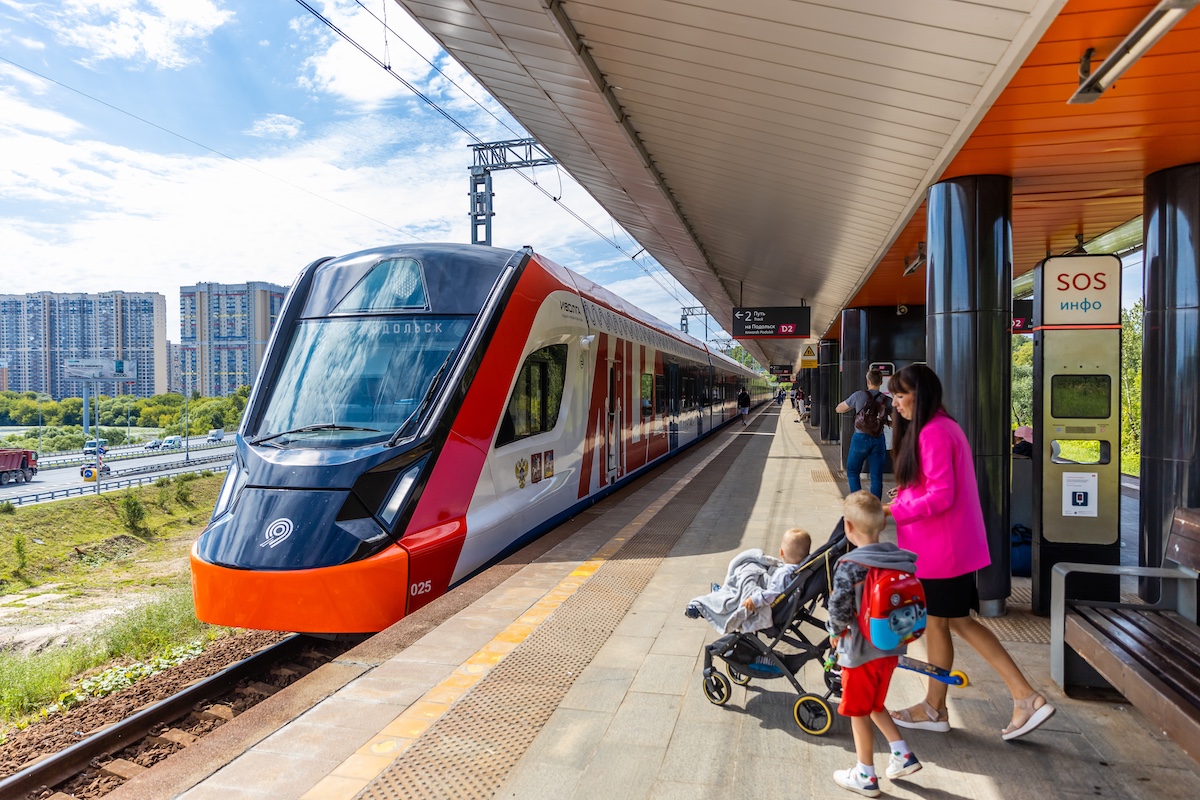
As Maksim Liksutov, Deputy Mayor of Moscow for Transport and Industry, reported, the Moscow Central Diameters are becoming an increasingly popular mode of transport every year. Since their inception, passengers have made nearly 1.6 billion trips, with up to 500.000 trips made daily on the MCD. Today, the diameters have become a fully-fledged surface metro and an alternative to other modes of urban transport.
The network’s development continues. Modern passenger services are being introduced on the diameters, stations are being built and reconstructed, new comfortable city stations are being created, and infrastructure is being updated. Currently, 54 MCD stations are operating in the city, with projects underway at Petrovsko-Razumovskaya, Serp i Molot, Tsaritsyno, Begovaya, and Moscow-City stations.