
Rosneft invested over 303 billion roubles in projects for useful utilisation of APG since 2013

Source: Rosneft – An important disclaimer is at the bottom of this article.

Rosneft’s investments in projects for the beneficial use of associated petroleum gas (APG) totalled 303 billion roubles from 2013 to 2024.

Responsible attitude towards the environment is an integral part of Rosneft Oil Company’s corporate culture and one of the key principles of its business. Reducing greenhouse gas emissions is one of the Company’s strategic objectives. Rosneft implements a range of measures aimed at introducing innovative technologies, improving industrial safety and care for the environment.

As part of its Gas Investment Programme, the Company is working to increase the utilisation of APG in all regions where it operates. In 2024, Rosneft commissioned nine new facilities to help achieve this goal, including gas injection, power generation, gas preparation and utilisation facilities, and gas transportation infrastructure. The programme is being implemented in all regions of the Company’s operations and promotes the widespread introduction of innovative, energy-saving, «green» technologies into production processes.

While developing new fields, Rosneft carries out planning at the stage of drafting technical project documents. This comprehensive approach provides for all the measures necessary to utilise APG by a clearly defined deadline.

The Company’s specialists are constantly working to develop innovations that optimise and scale the process. For instance, in July 2025, employees of Orenburgneft (a Rosneft subsidiary) patented a technology for reducing the content of hydrogen sulphide and mercaptans in associated petroleum gas (APG). The innovation has been implemented at the Vakhitovskaya group of fields, resulting in a significant increase in APG utilisation, from 20 to 80 thousand cubic metres per day. The economic impact will exceed 1 billion roubles over five years.

Rosneft’s Energy Saving Programme, which is developed for a five-year period and updated annually, makes a significant contribution to reducing the Company’s carbon footprint. As a result, in 2024, Rosneft reduced its absolute greenhouse gas emissions by 1.1 million tonnes of CO2 equivalent.

Furthermore, the total savings in energy and fuel resources amounted to 363,000 tonnes of fuel equivalent. By 2030, the energy saving programme will reduce emissions by 4.7 million tonnes of CO2 equivalent.

Department of Information and Advertising
Rosneft
July 25, 2025

Keywords: Environmental news 2025

Please note; this information is the raw content received directly from the information source. This is exactly what the source claims and does not necessarily reflect the position of MIL-OSI or its clients.
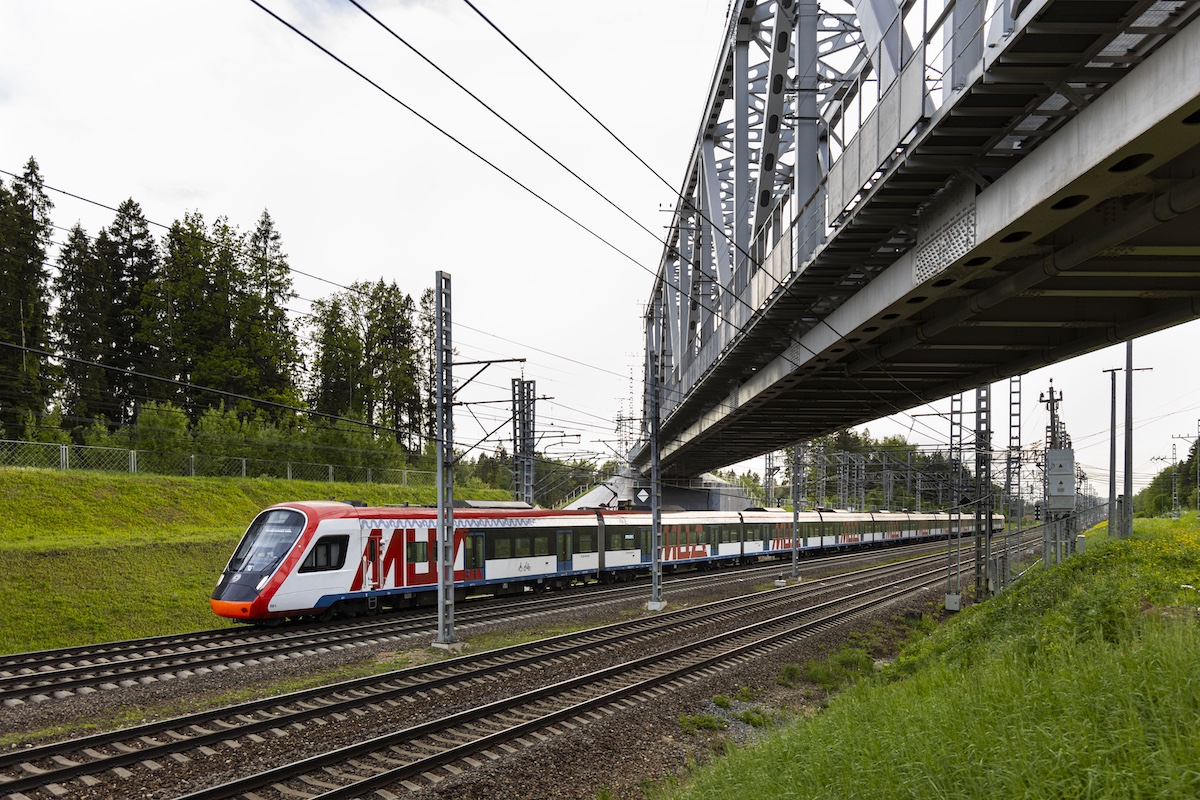

Moscow Metro Updates Rolling Stock on Moscow Central Diameters.

As part of Moscow’s Transport Complex Development Program, the rolling stock on the Moscow Central Diameters (MCD) has been fully updated. A total of 4.5 thousand modern carriages have been procured, including the Ivolga and EP2D models. Noise levels inside the trains have been reduced by 35%, and the average age of the rolling stock has decreased fivefold—from 23 to 4.5 years. As a result, the MCD now operates the youngest fleet of suburban trains in Europe.

The impact of this upgrade has been immediate: Muscovites and residents of the Moscow region are increasingly choosing the MCD for their daily commutes. Currently, the system handles around 1.6 million trips per day.

The delivery of new trains for the Central Transport Hub has played a pivotal role in advancing and modernizing Russia’s domestic transport engineering industry.

Next Steps The next phase will focus on updating the rolling stock on the Yaroslavl and Paveletsk directions. In June 2025, deliveries of new trains began on the Yaroslavl line, where four Ivolga 4.0 trains are now in operation. By 2030, a total of 92 trains will be renewed, increasing passenger capacity and comfort on one of the busiest routes.

Additionally, by 2035, approximately 100 new trains are planned for routes connecting Moscow with the Vladimir, Ivanovo, Kaluga, Tula, and other neighboring regions. This initiative will set new standards for passenger comfort across the entire Central Transport Hub, which accounts for nearly 75% of all suburban rail travel in Russia.

“The MCD is one of the most popular and in-demand modes of transport among passengers. Muscovites and residents of the region choose it for its comfort, speed, and seamless transfers to other transport systems. Following the directive of Moscow Mayor Sergey Sobyanin, we have completed the rolling stock update on the MCD. Outdated trains have been replaced with modern carriages equipped with climate control, air disinfection systems, clear passenger information displays, media screens, ergonomic seating, and modern charging ports for devices,” added Maksim Liksutov.

On September 6, the anniversary Parade of Retro Transport took place in Moscow.

A festive procession of vintage trams and cars from different eras traveled from Novokuznetskaya metro station to Chistoprudny Boulevard, where a large exhibition of historic vehicles was set up for Muscovites and visitors.

Guests had the opportunity to admire 15 retro trams and dozens of unique cars, many of which became iconic symbols of their time.

The event also featured a rich cultural and entertainment program, including:

  • A field kitchen offering free treats, including 20,000 servings of ice cream;
  • Special photo zones;
  • Performances by artists from the “Music in the Metro” project, the Academic Choir of the Moscow Metro, and a special guest, Denis Maidanov.

“The Parade of Historic Trams and Cars has now taken place for the 20th time. Once again, we’ve seen tremendous interest in retro transport among residents and visitors of the capital. Following the instructions of Moscow Mayor Sergey Sobyanin, we carefully preserve the history of the city’s tram system and actively work to develop this beloved mode of transport for Muscovites,” noted Deputy Mayor of Moscow for Transport Maksim Liksutov.

All turnstiles on the Lines 2 and 10 have been connected to biometric payment!

Maksim Liksutov reported that the most convenient payment service is now operational on 729 more turnstiles. Previously, biometric payment worked on 2–3 turnstiles at each station.

How does biometric fare payment work?

🔹 You need to register once in the Moscow Metro app, take a photo, and link a bank card.

🔹 The neural network converts the photo into a unique biometric key — a set of encrypted characters. The original image cannot be restored.

🔹 Approach a turnstile with a black sticker and look into the camera. It will “find” your face in the frame and generate a biometric key.

🔹 Then the neural network will compare it with the key in the database within 1 second. If they match, the gates will open.

🔹 The fare will be deducted from the linked bank card. It costs only 63 rubles.

“Moscow Mayor Sergey Sobyanin instructed to connect all metro turnstiles to biometric payment by the end of 2025. The service is already operational on all payment equipment for access on 13 lines. The total number of turnstiles where face recognition payment is available in the metro has exceeded 3,000. In 2026, we will connect the turnstiles of all MCD stations to the system to keep fare payment just as convenient and safe,” noted Maksim Liksutov.

Today is a special day in the history of Moscow transport – we launched the first fully unmanned tram in Russia.

It will carry passengers in the northwest of the city on route No. 10 “Shchukinskaya Metro Station – Kulakova Street” and will follow the established schedule.

This is a very significant technological milestone. Now, unmanned technologies are beginning to be introduced in the capital’s transport system.

The software for the unmanned tram was created by employees of the Moscow Metro without the involvement of third-party companies. The smart technology, developed by the city, is unique. It works more accurately and stably than foreign counterparts. It has already been recognized with prestigious international awards.

The unmanned tram has traveled more than 8,000 km in test mode without violating traffic rules once.

It is equipped with a sensor system, a high-precision route map, and systems for localization, computer vision, movement planning, and wheel slip prevention.

As a result, the tram stops where it needs to, opens and closes doors, follows traffic light signals, yields to pedestrians, independently determines how to cross an intersection, switches points, and adheres to the schedule.

An employee of the tram management is currently in the cabin or salon only for observation, as required by federal law, and does not interfere in the process.

Further plans:

  • To equip three more trams with unmanned technologies by the end of the year.
  • To equip more than 300 by 2030, which is about 2/3 of the capital’s fleet.
  • It is expected that by 2035, about 90% of Moscow’s trams will operate on unmanned technologies.

In December, to begin the first phase of pilot operation of the first unmanned metro train in Russia on the Big Circle Line (BCL). The control system will be tested on a modern “Moskva” series train at night without passengers.

Rosneft Implements Natural Solutions in Production Processes

Source: Rosneft – An important disclaimer is at the bottom of this article.

Specialists from the environment protection service of the Novokuibyshevsk Petrochemical Company, a Rosneft subsidiary, are implementing a unique environmental project. For the first time, biological wastewater treatment has now been carried out at the enterprise’s facilities using Eichhornia water hyacinth plants.

Several Rosneft enterprises in the Samara Region use phytofiltration technology in their wastewater treatment plants. The Kuibyshev Refinery was a pioneer in its implementation, using not only water hyacinths but also pancratium and sweet flag to achieve a high degree of wastewater disinfection. Eichhornia seedlings have also been successful at the Syzran and Novokuibyshevsk refineries’ treatment facilities.

Eichhornia is more than just a beautiful ornamental plant. Its powerful root system acts as an extremely effective natural filter. The roots absorb bacteriological contaminants, suspended solids, phosphorus, nitrogen and other chemical compounds from the water, ensuring a high level of purification and improving the quality of the water to resemble that of natural waterways. Importantly, the plant is at its most effective during the warm season, when bacteria are most active and the risk of contamination is greatest.

During the flowering period, Eichhornia produces blue inflorescences that transform the water surface into a flower garden. Using plants in the wastewater treatment process is an example of implementing environmental solutions that are proven to be both economically and ecologically efficient.

Department of Information and Advertising
Rosneft
July 16, 2025

Keywords: Environmental news 2025

Please note; this information is the raw content received directly from the information source. This is exactly what the source claims and does not necessarily reflect the position of MIL-OSI or its clients.

With Rosneft’s Support, Ornithologists Preserving White-Tailed Eagle Population in Samara Region

Source: Rosneft – An important disclaimer is at the bottom of this article.

Specialists from Rosneft’s Samara group of enterprises and ornithologists from Samara Luka National Park have summarised the results of the fieldwork stage of their joint project to study and protect the endangered white-tailed eagle within the reserve.

A key finding was data indicating that the population of this endangered bird had increased by more than a third in the Samara Luka National Park. Field studies conducted during the 2024–25 autumn and winter confirmed this positive trend. Scientists discovered new white-tailed eagle nesting sites in the park, suggesting that the nesting range is expanding. Monitoring of previously identified areas revealed the consistent presence of birds, active nest maintenance, and mating behaviour. Special measures have been introduced and patrols have been stepped up to protect key bird habitats in these areas.

The main indicator used to assess population dynamics was data from observations of reproduction. In 2024, all pairs successfully raised their young. The current activity of the birds, coupled with last year’s 100% nesting success, enables scientists to predict population growth within the reserve.

Raising awareness is an integral part of the strategy for conserving rare animals. As part of the project, information stands have been installed along the reserve’s walking trails to educate visitors about the distinctive features of the white-tailed eagle population. This species is the largest bird of prey in the Samara Region, and is listed in the regional, Russian and international Red Data Books.

Another important aspect of the conservation project is photographing and filming birds in their natural habitat. The material collected will be used to create a scientific archive, educational programmes, and further conservation initiatives. Additionally, plans are in place to organise a photo exhibition, The Orlan.

Protecting the environment is an integral part of Rosneft’s corporate culture and operating principles. The Company pays great attention to ornithological projects. Thanks to the support of its subsidiaries in various regions across the country, Rosneft is conducting research and implementing programmes to protect rare bird species such as white-shouldered eagles, wild geese and white gulls, etc.

For reference

Rosneft’s Samara Group enterprises have a long-standing partnership with Samara Luka National Park. For the second consecutive year, a grant project is being implemented to study and protect the white-tailed eagle. Another grant project has seen the development and launch of the Ekotropa 63 mobile app, which offers virtual tours of the national park. Thanks to the support of oil workers, the LukAmorye ecological and educational complex has opened in the city of Zhigulevsk, a visitor centre has been built in the village of Sosnovy Solonets, and an aviary has been built for birds that are unable to live in the wild.

Department of Information and Advertising
Rosneft
July 11, 2025

Keywords: Environmental news 2025

Please note; this information is the raw content received directly from the information source. This is exactly what the source claims and does not necessarily reflect the position of MIL-OSI or its clients.
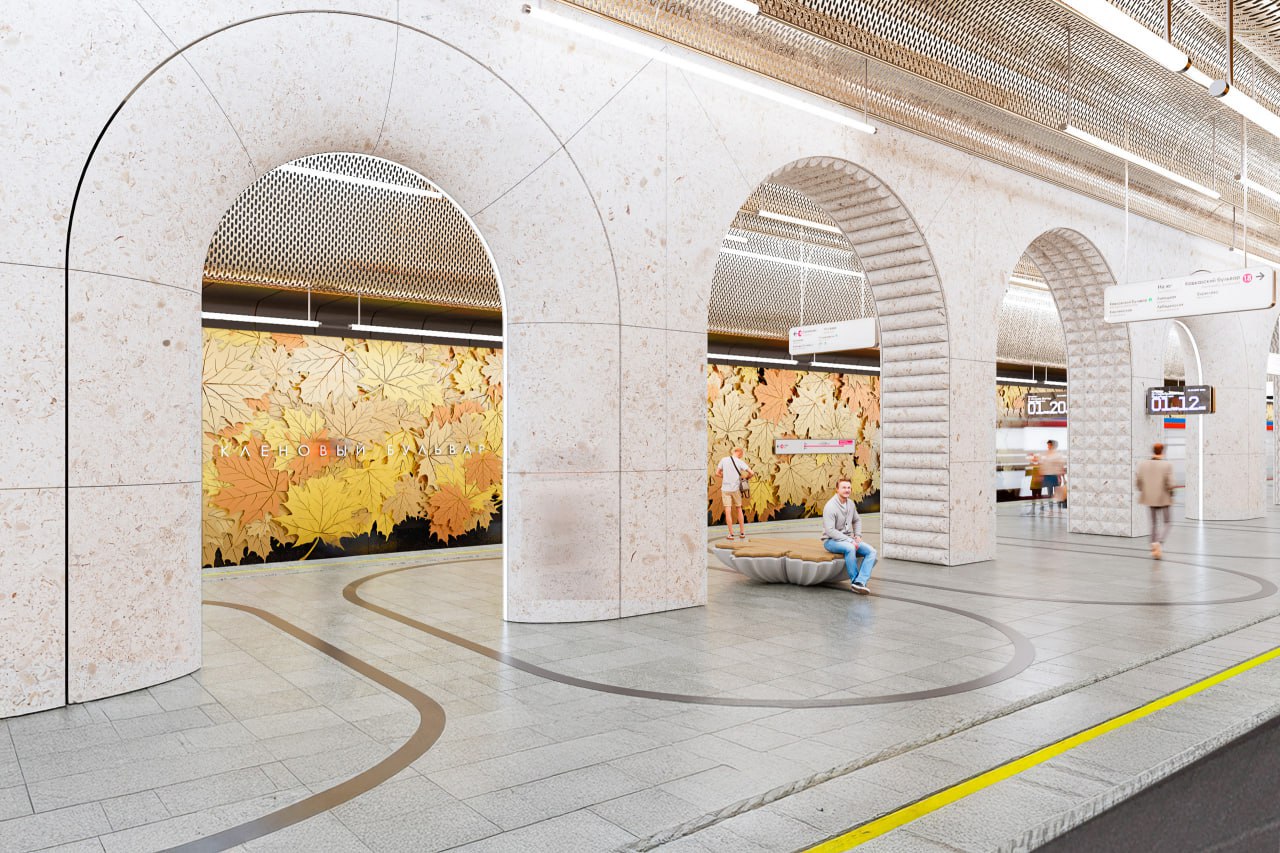
A new exhibition in the Moscow Metro has opened to mark the 155th anniversary of Alexander Kuprin.

At each display of the exhibition, passengers can find lists of Kuprin’s books—over 30 works recommended for reading.

The exhibition can be seen until September 16 in the transfer passage between the Savëlovskaya stations on the Line 9 and the Big Circle Line.

This exhibition was previously showcased on June 4 at the 11th Red Square Book Festival. In September, it will open in Balaklava as part of the Kuprin Readings. After that, the exhibition will travel to Paris for the “Russian Literature” book fair.

“Since the beginning of the year, 39 themed exhibitions have already been held in the metro and on the Moscow Central Circle (MCC). Passengers can visit them and learn something new without even stepping outside. Following the directive of Moscow Mayor Sergei Sobyanin, we are making trips on public transport not only comfortable and safe but also interesting,” said Maksim Liksutov.

ROSNEFT OIL COMPANY FIRST HALF 2025 IFRS RESULTS

Source: Rosneft – An important disclaimer is at the bottom of this article.

  • HYDROCARBON PRODUCTION OF 121.6 MLN TOE
  • LIQUID HYDROCARBON PRODUCTION OF 89.3 MLN TONS
  • GAS PRODUCTION OF 39.3 BCM 
  • EBITDA OF RUB 1,054 BLN
  • NET INCOME ATTRIBUTABLE TO ROSNEFT SHAREHOLDERS OF RUB 245 BLN
  • FREE CASH FLOW OF RUB 173 BLN

Rosneft Oil Company (hereinafter – Rosneft, the Company) publishes its results for first half 2025, prepared in accordance with the International Financial Reporting Standards (IFRS).

  H1 2025 H1 2024 % change
RUB bln
Revenues from sales and equity share in profits of associates and joint ventures 4,263 5,174 (17.6)%
EBITDA 1,054 1,650 (36.1)%
Net income attributable to Rosneft shareholders 245 773 (68.3)%
CAPEX 769 696 10.5%
Adjusted free cash flow 173 700 (75.3)%

Commenting on the results for the first half of 2025, Igor Sechin, Chairman of the Management Board and Chief Executive Officer of Rosneft noted:

The first half of this year was characterized by a decline in oil prices primarily due to oil oversupply. The main reason is the active production build-up by OPEC countries, including Saudi Arabia, UAE, Iraq, Kuwait, while production growth is also observed in Brazil and other countries. According to our estimates and expectations of leading energy agencies, the oil market surplus will amount to 2.6 mln bpd in Q4 2025 and 2.2 mln bpd in 2026.

In addition, there was a widening of discounts on Russian crude oil due to tighter EU and US sanction restrictions and a significant ruble strengthening, which impacted the financial results of exporting companies. It should be noted that non-market formation of the national currency rate ultimately leads to non-market non-transparent pricing of oil and petroleum products both domestically and internationally.

Moreover, I would like to note the outstripping growth in natural monopolies tariffs, which is putting additional pressure on the oil industry in the challenging market conditions. There has been indexation of Transneft transportation tariffs for crude oil by 9.9% and oil products by 13.8% and RZhD freight rail transport tariffs by 13.8% since the beginning of the year, as well as indexation of Gazprom’s regulated wholesale gas prices by 10.2% and tariffs for transmission services by 11.6% since July.

Excessive indexation of tariffs regulated by the Russian Government accelerates cost-push inflation, encourages higher prices and is one of the reasons for the slower reduction of the key interest rate. Despite the decisions taken by the Bank of Russia in June-July, the pace of interest rate cut is clearly insufficient.

One of the consequences of a long period of the elevated key rate is the excessive ruble strengthening, which inflicts losses on both the Russian budget and the exporting companies. In addition, the high key rate leads to incremental interest expenses, which harms the financial stability of corporate borrowers, reduces profits and undermines their investment potential.

Under these conditions, Rosneft forms its budget based on realistic assumptions, using an oil price of $45/bbl. We continuously monitor, analyze and rank our portfolio. We are optimizing production and focusing on high-margin projects with a special tax regime, including Vostok Oil and Sakhalin-1, to create a source of dividend payments. At the same time, a number of other companies are paying dividends by raising debt.

For reference. Change in hydrocarbon production by major global oil and gas companies in H1 2025 as compared to H1 2024: bp (-5%), Shell (-4%), Chevron (+1%, including Venezuela), Equinor (+1%, target premium market – Europe), Saudi Aramco (+1%, due to commissioning of spare capacities with pressure on prices and higher debt), ExxonMobil (+13%, with low tax take based on Guyana’s and Permian resource base; target market – USA; taking into account challenges in securing domestic market; company in constant search for resources with projected depletion of the resourece base by 2035).

Despite the negative macroeconomic environment, Rosneft maintains strict adherence to its dividend policy and has been paying dividends without fail since 2000.

In the interests of our shareholders and in full compliance with the dividend policy, in August 2025, Rosneft completed the payment of final dividends approved by the Annual General Meeting of Shareholders. The total dividends for 2024 amounted to RUB 542 bln or RUB 51.15 per share”.

Operating performance

Exploration and production

The Company’s hydrocarbon production in H1 2025 amounted to 121.6 mln toe (4.99 mln boepd), including to 89.3 mln tons (3.67 mln bpd) of oil and 39.3 bcm (1.32 mln boepd) of gas.

Some companies demonstrated growth in hydrocarbon production in the reporting period, but it was ensured by increased production from international projects, including Venezuela, Iraq, Egypt and others. Rosneft, operating under service contracts, does not book reserves and account for commercial oil production.

In H1 2025, production drilling footage was about 6 mln meters, Rosneft commissioned 1.4 th. new wells with horizontal wells accounting for 74% of that amount.

In H1 2025, onshore in the Russian Federation, Rosneft completed 1.2 th. linear km of 2D seismic and 3.2 th. sq. km of 3D seismic works. Company completed testing of 17 exploratory wells with a success rate of 100%.

Vostok Oil Project

As part of the flagship Vostok Oil project, in H1 2025, Company completed 1.2 th. linear km of 2D seismic and 1.5 th. sq. km of 3D seismic works. Testing of 1 well was successfully completed, drilling of 1 well was completed, and construction of 4 prospecting and appraisal wells has begun.

The Company continues pilot development of the Payakhskoye and Ichemminskoye fields: in H1 2025, production drilling footage exceeded 62 th. meters, while 14 production wells were completed. Pilot production is being carried out at the Payakhskoye and Ichemminskoye fields with produced crude oil transported by trucks to the Suzun and Lodochnoye fields.

Work is underway at the ‘Vankor – Payakha – Sever Bay’ trunk oil pipeline. As of the end of H1 2025, 118,000 piles were installed; 608 km of pipeline were laid to design levels. The Company completed laying a backup pipeline crossing the Yenisei River; backfilling of the trench in the channel part is underway.

The construction of two cargo berths, as well as a berth for the port fleet at the Sever Bay Port terminal, is nearing completion. Construction of the first oil loading terminal continues, and construction of the second one has begun. Construction of a Sever Bay Port crude oil delivery and acceptance point and the Suzun oil pumping station is underway, and construction of the Payakha oil pumping station has begun. The Company continues with the construction of logistics infrastructure and hydraulic engineering installations, shore reinforcement, and expansion of onshore and berth infrastructure.

Refining

In H1 2025, the refining volume amounted 38.7 mln tons. Decrease in the refining volume is attributable to the need for maintenance and repair works as well as to the optimization of refinery utilization in view of the current pricing environment, logistics constraints and demand. The oil conversion rate increased to 77.6%, and the light products yield reached 60.3%.

Rosneft continuously works to maintain a high level of reliability of its oil refining assets. In particular, the Company provides the operation of its refinery process units with its own catalysts, which are necessary for the production of high-quality motor fuel. In H1 2025, Rosneft produced 1.3 th. tons of catalysts for hydrotreatment of diesel fuel and gasoline fractions, as well as protective layer catalysts. Rosneft subsidiaries also produced 40 tons of gasoline reforming catalysts and 176 tons of catalysts for hydrogen production, petrochemicals and adsorbents. 720 tons of coked catalysts for hydrotreatment of diesel fuel were regenerated.

The Company is a key supplier of high-quality motor fuels for Russian consumers. In H1 2025, 20 mln tons of petroleum products were delivered to the domestic market, including 6.4 mln tons of gasoline and 7.8 mln tons of diesel fuel.

Rosneft continues to actively participate in trading on the St. Petersburg International Mercantile Exchange. In the reporting period, 4.7 mln tons of gasoline and diesel fuel were sold on the exchange, which is 1.8 times higher than the required volume

Financial performance

The Company’s revenue in H1 2025 decreased by 17.6% year-on-year, amounting to RUB 4,263 bln on the back of the declining oil prices and a stronger ruble. At the same time, the rate of cost savings and expense reduction lagged behind the revenue dynamics, with one of the reasons being indexation of tariffs imposed by the natural monopolies. As a result, EBITDA in H1 2025 decreased to RUB 1,054 bln.

In H1 2025, the net income attributable to Rosneft’s shareholders amounted to RUB 245 bln. This indicator is still negatively affected by prohibitive level of the key rate of the Central Bank of the Russian Federation. In addition, non-monetary and one-time factors negatively affected the dynamics of the indicator in the reporting period.

The Company’s Capex in H1 2025 amounted to RUB 769 bln due to the scheduled implementation of the investment program mainly at Upstream assets. Free cash flow for the reporting period amounted to RUB 173 bln.

The net debt / EBITDA ratio at the end of H1 2025 amounted to 1.6х, which continues to remain at a level significantly below the minimum covenant under the loan agreements.

ESG

In the reporting period, the Company proceeded with activities aimed at achieving sustainable development goals under the Rosneft-2030 Strategy.

Rosneft applies advanced technologies and state-of-the-art production methods to create a safe working environment and minimize the risk of occupational injuries and occupational illnesses. In H1 2025, the Lost Workday Injury Severity (LWIS) decreased by 40%.

As a result of accident prevention measures taken in H1 2025, the number of incidents related to process safety at the Company’s subsidiaries decreased. In particular, the frequency rate of severe loss of containment events (PSER-1) reduced by 52% versus H1 2024, and PSER-2 decreased by 22%.

In the reporting period, no gas, oil and water shows (release of oil, gas or water to the surface) were registered during well drilling operations at Rosneft facilities. The Company continued with pipeline replacement as part of its efforts to minimize oil and petroleum product spills.

Rosneft’s subsidiaries maintain high standards of environmental safety in the field of water management in all regions of operations. The biological treatment facilities of the Ufa refineries play an important role in the Company’s effort to enhance the effective use of water resources. During January-June, biological treatment facilities processed 11.7 mcm of wastewater, and for seven years of the total operations processed volume exceeded 169 mcm of wastewater. At the Samara facilities the Company has been successfully implementing a unique ecological wastewater treatment project using water hyacinth.

Rosneft scientists have developed an innovative oil spot detection technology that will significantly increase the efficiency of environmental protection measures in the oil sector. The new technology makes it possible to distinguish between natural reservoirs and oil spots with high precision.

The Company’s leadership in sustainable development receives independent external recognition. In June 2025, Rosneft was included in the Climate Sustainability Index of non-financial companies constructed by the Moscow Exchange. The index includes shares of companies that are leaders in the sustainable development agenda with a well-established climate management system.

1 This includes sales revenue and income from associated organizations and joint ventures.

Information and Advertising Department
Rosneft Oil Company
August 30, 2025

These materials contain statements regarding future events and expectations that are forward-looking estimates. Any statement in these materials that is not historical information is a forward-looking statement that involves known and unknown risks, uncertainties and other factors which may cause actual results, performance or achievements to be materially different from the expected results, performance or achievements expressed or implied by these forward-looking statements. We assume no obligation to adjust the data contained herein to reflect actual results, changes in underlying assumptions or factors affecting the forward-looking statements.

Please note; this information is the raw content received directly from the information source. This is exactly what the source claims and does not necessarily reflect the position of MIL-OSI or its clients.

The IV International Transport Summit has concluded in Moscow.

The key outcomes of the IV International Transport Summit were 19 cooperation agreements in the transport sector between Moscow and foreign megacities, and 17 new cities joining the UrbanTransportData analytical platform. The forum was attended by experts from 43 major cities in 36 countries worldwide.

The international portal for analyzing the transport infrastructure of megacities, UrbanTransportData, was launched. It now includes 32 cities worldwide with a combined population of about 152.5 million people. These are millionaire cities and rapidly developing centers in Asia, Africa, Latin America, the CIS, and Eastern Europe, including Beijing, São Paulo, Hanoi, Bangkok, Minsk, Nairobi, Kampala, and others. The platform has collected about 600 indicators that have been processed and unified according to common standards. The project is unique because it allows comparison of transport systems in different countries, taking into account their geographical and economic characteristics. This enables a deeper understanding of global trends in transport system development, studying cities’ experiences in implementing innovations, and conducting an analysis of the current state based on 50 indicators.

“The International Transport Summit was held in the capital for the fourth time with the support of Moscow Mayor Sergey Sobyanin. As part of the event, we signed 19 cooperation agreements in the transport sector with foreign megacities, and another 17 cities joined the UrbanTransportData analytical platform. We showed our foreign colleagues our achievements in the development of urban transport and industry, and they shared their practices and latest solutions in these areas. We thank the guests for visiting Moscow,” said Maxim Liksutov, Deputy Mayor of Moscow for Transport and Industry Development.

More than 40 foreign speakers presented their work during roundtable discussions. Delegates from Brazil, Cuba, Ghana, and Turkey spoke about infrastructure development and the integration of water transport. Deputy Director of the Engineering Design Department of the Beijing Municipal Commission of Transport, Wang Xiaolei, presented the results of a study on optimizing elements of urban space design.

The Minister of Land Transport of the Republic of Mauritius, Mahomed Oussman Cassam Mahomed, expressed hope for deepening bilateral cooperation: “We’re now embarked on modernizing land transport. At the summit, I had an opportunity to witness many presentations concerning the use of technologies to improve this sphere. I believe this is very much in line with what we are doing in our country, and I hope for enhanced cooperation”.

Significant attention was paid to the coordinated development of industrial and transport systems in megacities. During the roundtable on this topic, representatives from Algeria, Beijing, Cebu, Santa Rosa, and Accra shared their experiences.

Delegates from Chengdu, Harbin, Yerevan, Vientiane, Lomé, Addis Ababa, and Niš discussed the formation of environmentally sustainable transport systems. Furthermore, summit participants discussed passenger digital services, ticketing systems, and unmanned vehicle technologies.

The Mayor of Thiès, the second most populous city in Senegal, Babacar Diop, shared what impressed him about Moscow’s transport: “I really like how ambitiously Moscow approaches its tasks. We saw how urban transport is developing in your capital, and I was particularly impressed by the tram network. I think it would be great to develop a tram network in our city. I believe we need to build strong partnerships between Thiès and Moscow, which will help strengthen relations between our countries.”

Technical visits were also organized to modern transport infrastructure facilities in Moscow: the Unified Dispatch Center of the Moscow Metro, the Big Circle Line, the Moscow Central Diameters, an electric bus depot, electric charging stations, river electric transport, the Traffic Management Center (TsODD) situation room, the Unmanned Transport Research and Development Center, as well as sites of the Technopolis Moscow Special Economic Zone – the city’s center for high-tech industrial development.

As part of the summit’s cultural program, participants visited the “High Above the Ground” exhibition, VDNKh, the interactive exhibition “That Very Moscow” at the Central Manege Exhibition Hall, and the North River Terminal.