Rosneft Allocates More Than 4 Billion Roubles for Air Quality Protection in 2024

Source: Rosneft – An important disclaimer is at the bottom of this article.

The 7th of September is International Clean Air Day, a celebration of the importance of initiatives for the improvement of air quality. As part of its environmental activities in 2024, Rosneft has allocated more than 4 billion roubles for air quality protection.

A responsible attitude towards the environment is one of Rosneft’s core principles. In 2024, the Company’s green investments reached 74 billion roubles, exceeding the previous year’s level by 16%. Rosneft has allocated almost 200 billion roubles to environmental protection in just three years.

In support of the federal Clean Air project, and to promote Russia’s national development goals, the Company has developed an action plan to create a corporate programme that will reduce industrial emissions.

Rosneft’s subsidiaries implement a range of measures in their production activities. These include investment projects that benefit the environment and the use of highly effective environmental protection equipment. The Company is developing and implementing air quality control systems and installing stationary air quality monitoring stations. It is also fitting mobile environmental laboratories with advanced equipment.

The Company’s primary strategic objective is to achieve carbon neutrality by 2050. Rosneft has been implementing a programme to control fugitive emissions of methane and other hydrocarbons for several years. In 2024, over 3,000 km of pipelines were surveyed using aerial monitoring. Additionally, over 800 facilities at production sites were surveyed using ground-based monitoring equipment.

The Company’s environmental benchmarks include increasing the production of natural gas as a fuel with lower greenhouse gas emissions, and developing and launching new products that enable consumers to reduce their environmental impact and carbon footprint, and improve the efficiency of their production facilities.

Rosneft has always prioritised preserving and restoring natural resources, including forests. Forests help to purify the air and naturally absorb greenhouse gases. In 2024 alone, the Company’s enterprises planted over 11 million trees of various species in the regions of operation. Rosneft has planted around 37 million trees in total over the last three years.

Department of Information and Advertising
Rosneft
September 8, 2025

Keywords: Environmental news 2025

Please note; this information is the raw content received directly from the information source. This is exactly what the source claims and does not necessarily reflect the position of MIL-OSI or its clients.
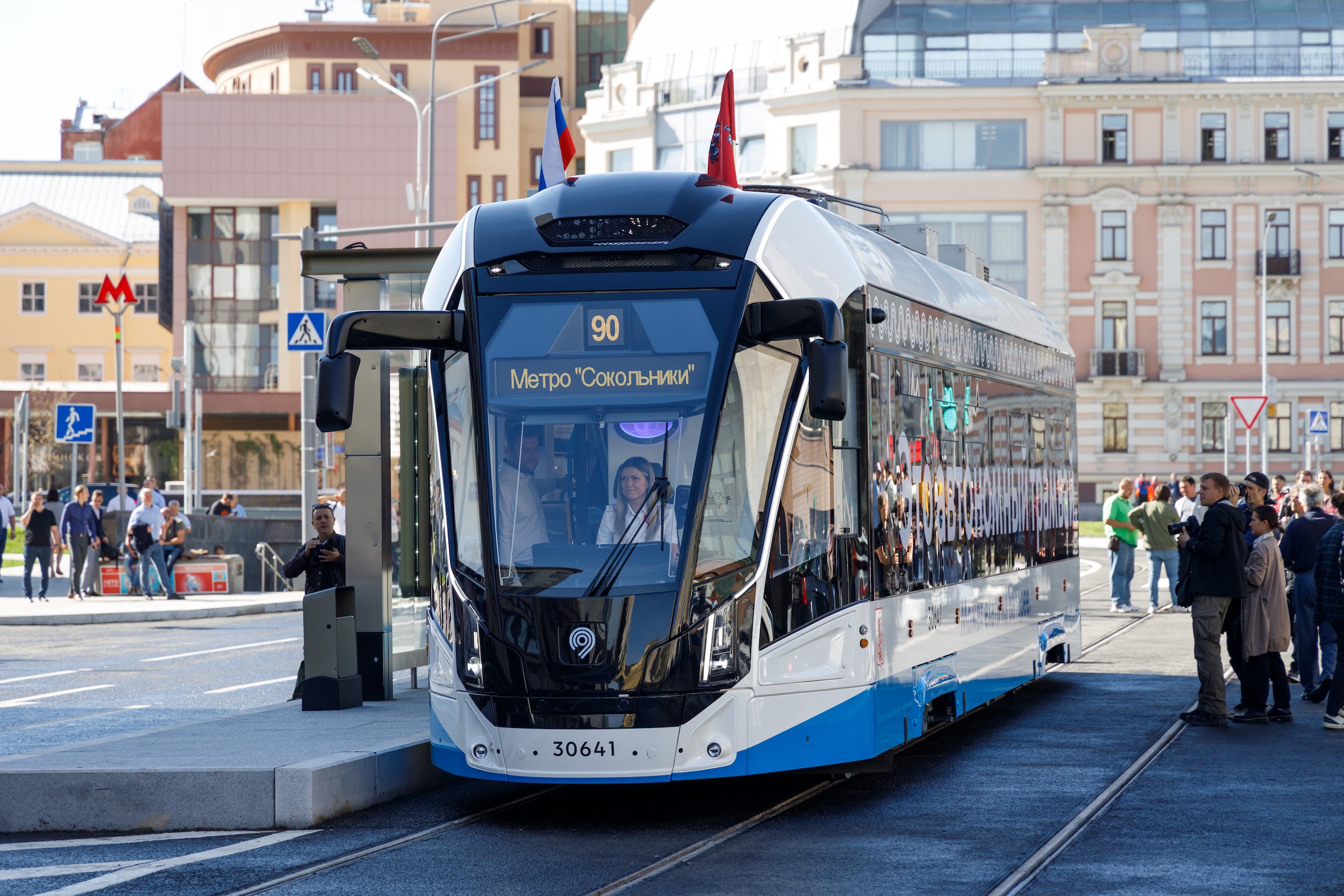
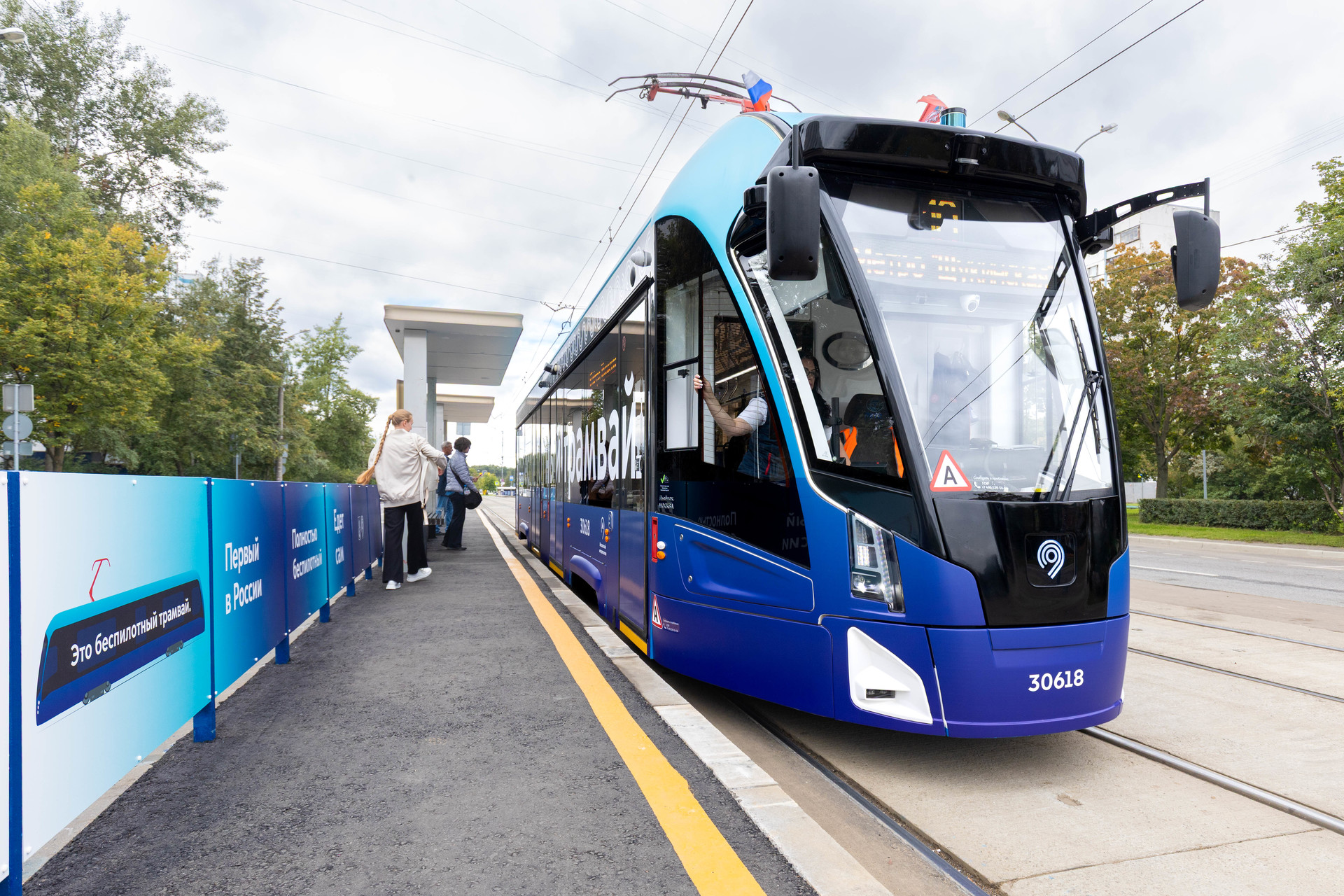
Russia’s first tram line without overhead wires opens on Akademika Sakharova Avenue.

A new tram line, Route 90, has been launched from Sokolniki to Paveletskiy railway terminal, connecting 20 key stations along the city’s rail framework—including four major central railway stations and sixteen metro and Moscow Central Diameter (MCD) stations. This new route is served by about 20 state-of-the-art “Lvyonok-Moskva” trams with autonomous operation. On a 2-kilometer stretch along Akademika Sakharova Avenue, these trams run without overhead wires, using stored energy instead.

The new line has significantly improved transportation options on Akademika Sakharova Avenue and Masha Poryvayeva Street, areas that previously had no city transit service. Around 300,000 Moscow residents now have access to faster and more convenient travel options. For example, the tram now offers a quicker connection between Three Stations Square and Paveletsky Station than the metro.

Since the launch on September 10, 2025, the autonomous trams have completed over 1,300 trips, proving both the reliability and popularity of the new route. This is just the first step toward creating the Moscow Tram Diameters and completing the upgrade of the city’s tram fleet by the end of 2026.

“The new Route 90, launched by Moscow Mayor Sergey Sobyanin, has proven to be in high demand. Getting around the city center has become more convenient and faster for both residents and visitors. We are closely monitoring the performance of the trams on this route,” added Maksim Liksutov.

Construction of the Biryulevskaya metro line has begun in Moscow.

Construction of the Line 18 (Biryulyovskaya) began in the capital in 2025. The future line will be 22.2 kilometers long, with 10 stations and transfers to the Zamoskvoretskaya, Troitskaya, and Big Circle Line (BCL), the Moscow Central Circle (MCC), and the Paveletskaya Line of the Moscow Railway.

The metro will reach the Biryulyovo Vostochnoye and Zapadnoye districts and improve transportation services to the Danilovsky, Nagatinsky Zaton, Nagatino-Sadovniki, Pechatniki, Moskvorechye-Saburovo, and Tsaritsyno districts. This will benefit approximately one million Muscovites. Many will have metro stations near their homes, while others will benefit from faster and more convenient metro options.

The ZIL, Ostrov Mechty, and Klenovy Bulvar stations are currently under construction. Seven more stations are in the planning stages. Construction of the Biryulevskoye depot is also underway.

Maksim Liksutov told RT in an interview about the development of the capital’s driverless transport.

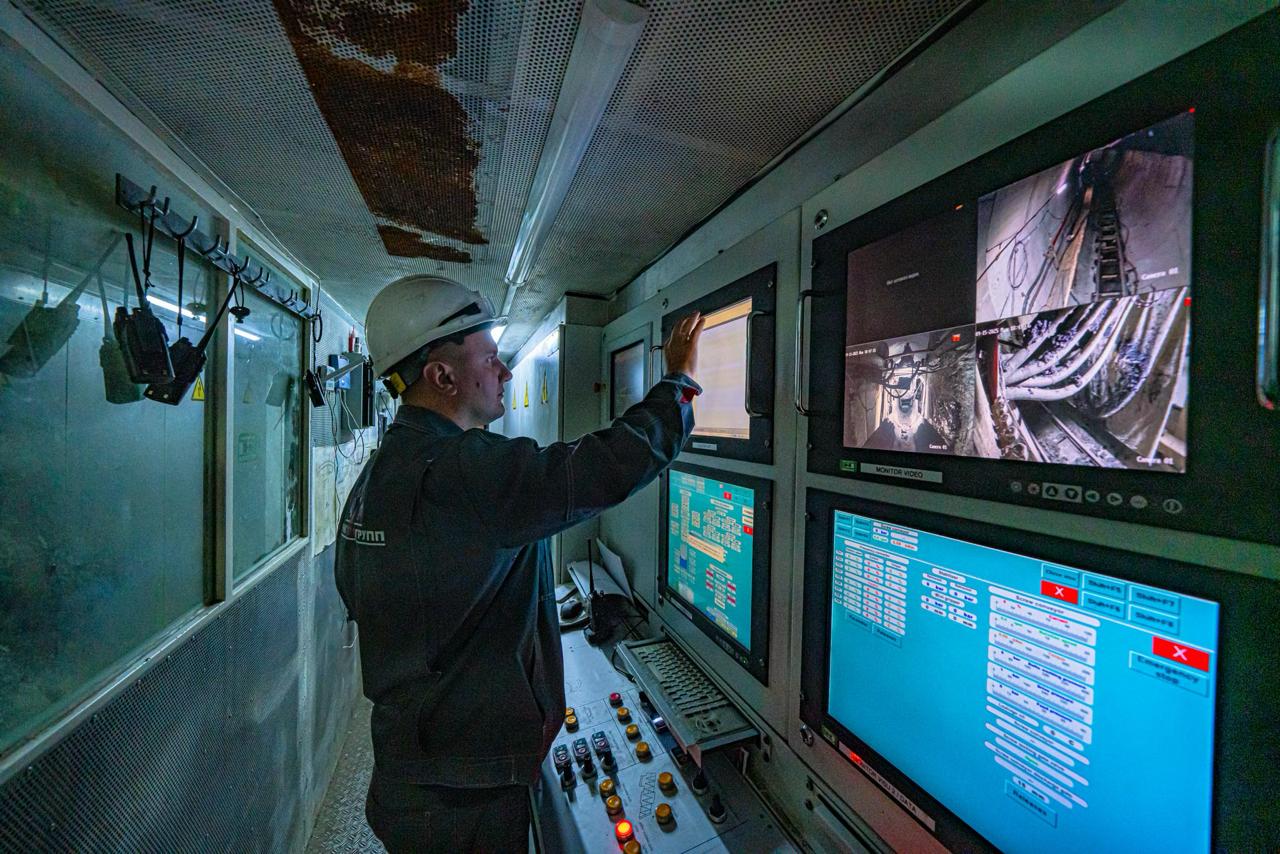
The first driverless tram in Russia has already traveled more than 10,000 km on the streets of the capital without violating traffic rules even once. It moves as safely as possible thanks to a unique set of equipment for global transport.

The driverless system was fully developed by employees of the Moscow Metro. The rights to the technology belong to the Moscow Government.

After completing the driverless tram tests, Moscow is ready to share the unique development with other regions of Russia.

The launch of the driverless tram allowed the creation of an extensive base for expanding the project. In the future, we plan to implement the technology in other types of transport, which requires serious preparation.

By the end of next year, a driverless metro train will be ready, capable of maintaining 90-second intervals between trips. Then we will begin test rides with passengers.

Specialists have already started developing software for driverless electric buses in Moscow. But the priority remains driverless rail transport.

By 2035, 90% of the capital’s trams will be driverless. The foundation for this has been laid. All thanks to the creation of an intelligent and high-tech transport system in Moscow.

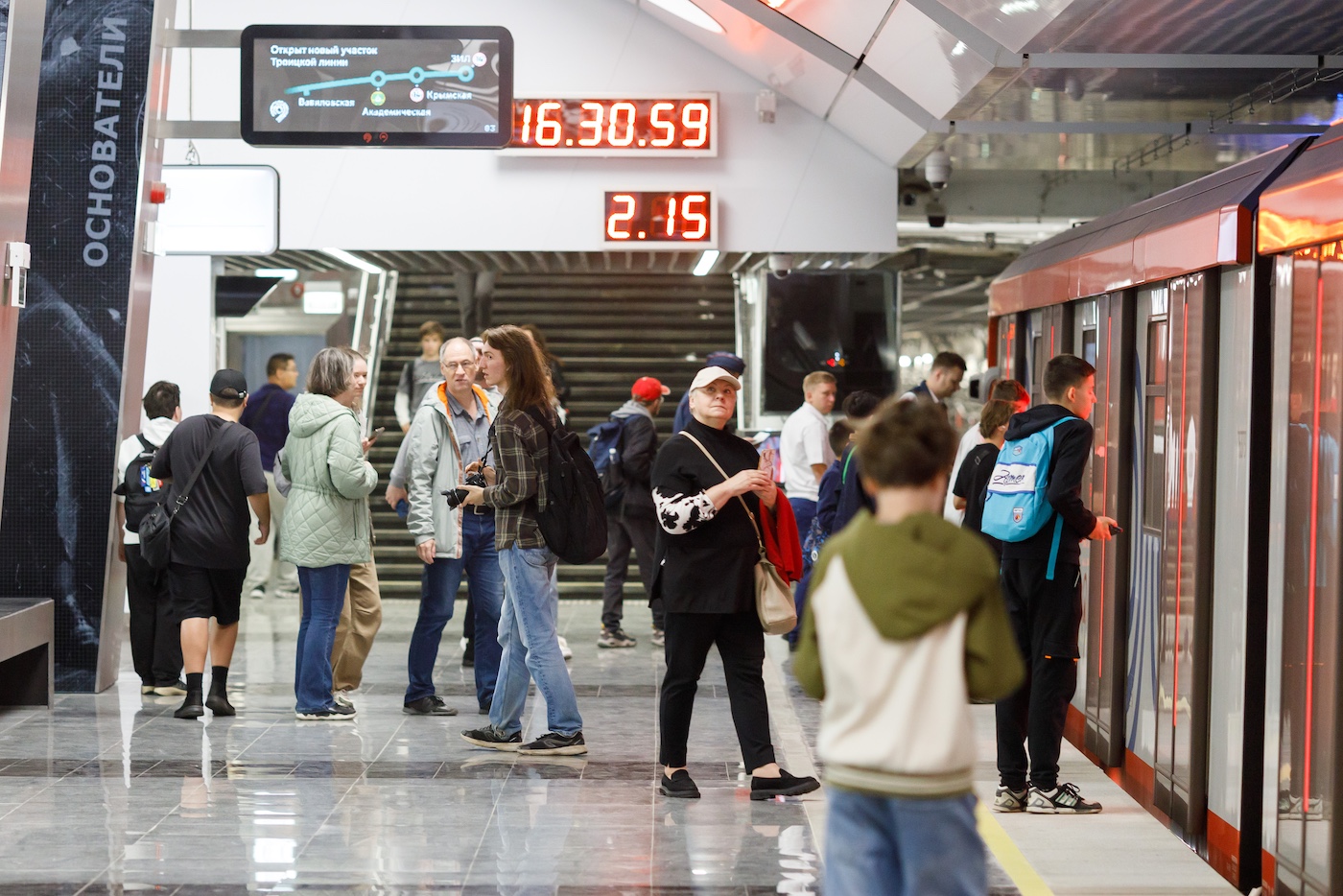
Four new stations have just opened on the Line 16: Vavilovskaya, Akademicheskaya, Krymskaya, and ZIL.

This marks the completion of the first stage of construction for the Line 16, which now includes 11 stations and spans more than 25 kilometers.

There are five transfer hubs on the line:

– At ZIL and Krymskaya, you can transfer to the stations of the same name on the Moscow Central Circle (MCC).

– At Akademicheskaya,” there is a transfer to the Line 6.

– At Novatorskaya, you can transfer to the Big Circle Line.

– At Novomoskovskaya, you can transfer to the Line 1.

In the future, the ZIL station will also provide a transfer to the under-construction Line 18.

Thanks to the Troitskaya Line, more than 1 million Moscow residents have gained new convenient routes for getting around the city. For many, travel time to the city center has been reduced by 10–15 minutes or more.

According to forecasts, the 11 stations will serve about 100,000 passengers per day.

Only the most modern Moskva-2024 trains run on the line, designed for maximum comfort: improved aerodynamics, modern interiors, wider seats and doors, and open gangways between cars. These trains are serviced at the new Stolbovo depot.

The second phase of construction is currently in the design stage. This 16.8 km long section with six stations will extend the line from Novomoskovskaya to Troitskaya.

Matryoshka of Moscow – A new innovative landmark opens in Zaryadye Park.

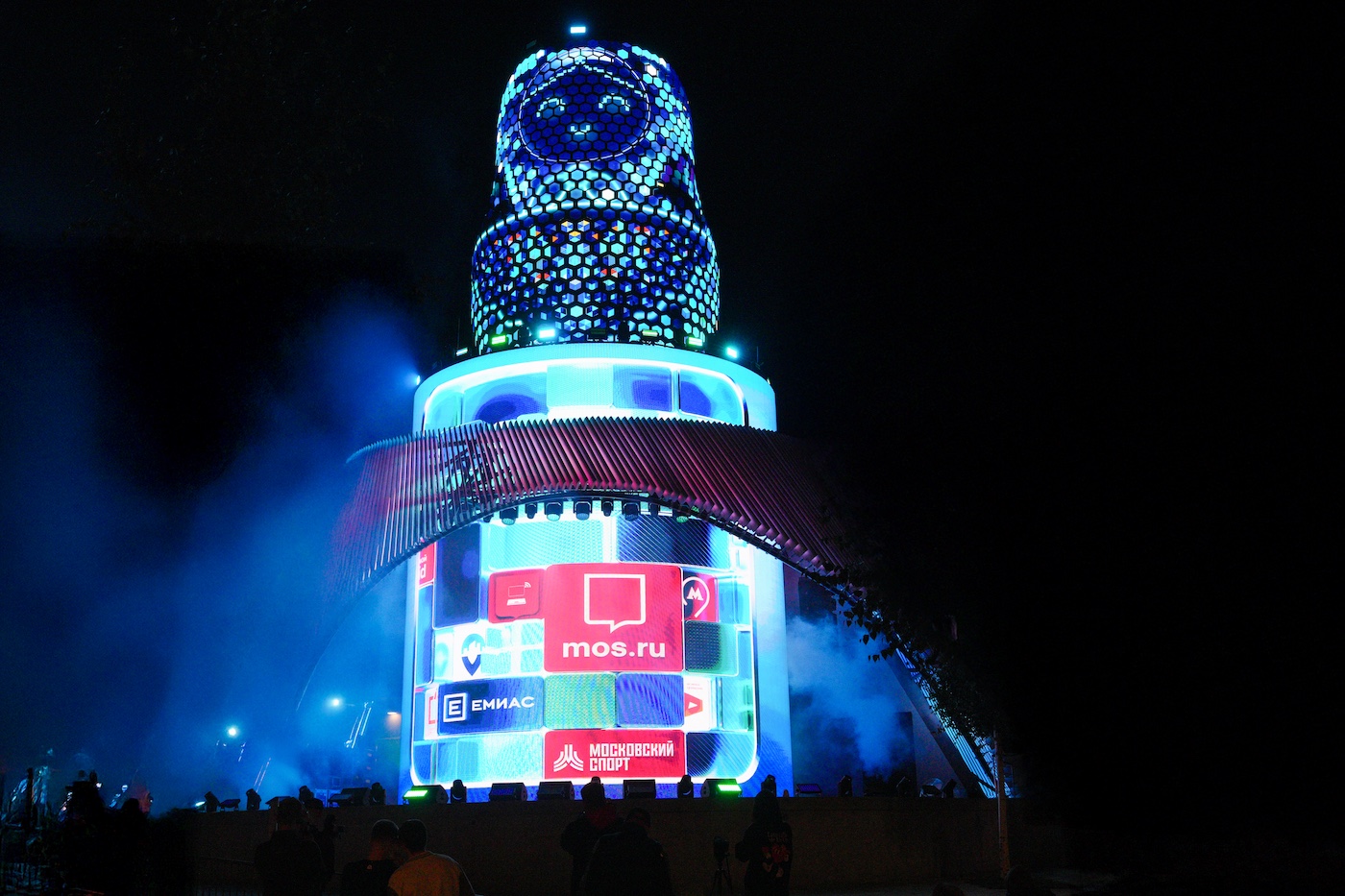
On City Day, a unique structure was unveiled in Zaryadye Park — the Matryoshka of Moscow. This modern media space, which has no analogues in the world, has become a new point of attraction for Muscovites and visitors to the capital.

The Matryoshka of Moscow was created on the basis of the Moscow Tourist Center, preserving its original function while transforming into a high-tech, dynamic structure. It can change shape in real time and showcase the achievements of Moscow and Russia through 3D graphics and kinetic installations.

The core of the structure consists of 30 giant rings made of steel, aerospace aluminum, and titanium. They rise to a height of up to 11 meters in just 4.5 minutes. The external appearance of the object is formed by 1,500 LED media screens in a honeycomb pattern, which can transform every 1–2 seconds. During the show, the figure’s height reaches 22 meters.

One of the most impressive forms the installation takes is that of a traditional Russian matryoshka doll — a symbol of family and generational continuity.

The project was developed by Moscow engineers, with all key elements produced at leading enterprises in the capital.

The Matryoshka of Moscow will serve as a year-round venue for patriotic, cultural, and educational programs. From 9:00 AM to 7:00 PM, multimedia materials about the city’s achievements will be shown here, while in the evenings from 7:00 PM to 11:00 PM, programs about culture and landmarks will take place, and at night, informational segments will be broadcast.

A special program has been prepared for young visitors, featuring visual interpretations of classic fairy tales and works by Russian authors, including A.S. Pushkin. On holidays, guests will be treated to themed video postcards.

This new landmark has already become a symbol of the capital’s innovative development and promises to become one of the most popular places for leisure and cultural activities.

Zvezda shipyard specialists receive keys to 160 new flats

Source: Rosneft – An important disclaimer is at the bottom of this article.

On the eve of the professional holiday, Shipbuilder’s Day, the Zvezda shipyard handed over the keys to 160 flats in new buildings in the town of Bolshoy Kamen to its employees. The Shipyard began developing a new residential area called Sadovyi in the coastal zone, starting with the construction of two eight-storey buildings.

The flats with panoramic sea views are ready for occupation. The interior decoration has been completed, the plumbing and electric cookers have been installed, and the balconies have been glazed. The adjacent territory features sports and children’s playgrounds, as well as parking spaces for residents’ vehicles. During the year, the residential area will see the construction of eight buildings containing 600 flats and covering an area of over 28,000 square metres.

Sadoviy residential area is the next phase of a project to build housing for Zvezda employees. Zvezda Shipyard now employs more than 5,700 people. Given the expansion of the shipyard’s activities and the resulting increase in the number of employees and their families, Bolshoy Kamen’s population is set to grow by almost a third. The Shipyard’s primary objectives include the provision of housing and infrastructure for shipbuilders. The total number of flats is set to exceed 5,000 in seven residential areas.

The housing programme for shipbuilders has been in place since 2016. During this period, 38 houses were commissioned and occupied in five residential areas, including seven built by the Primorsky Territory Government.

For reference:

The Zvezda Shipbuilding complex is being built in Bolshoy Kamen of Primorsky Territory by order of the Russian President, with Rosneft acting as the project operator. The Shipyard is designed for the production of large-capacity vessels, ice-class vessels with a displacement of up to 350,000 tonnes, special-purpose vessels, and other marine equipment.

Zvezda SSC collaborates closely with a range of educational institutions. It organises sponsored education, arranges internships and employment for graduates, and holds Enterprise Days and job fairs. Furthermore, Zvezda’s own corporate training centre began operating in 2024, designed to train and upskill personnel in more than 30 specialist areas.

Department of Information and Advertising
Rosneft
27 June 2025

Keywords: Social news 2025

Please note; this information is the raw content received directly from the information source. This is exactly what the source claims and does not necessarily reflect the position of MIL-OSI or its clients.
Udmurtneft Switches to Eco-Friendly Drilling Rigs

Source: Rosneft – An important disclaimer is at the bottom of this article.

Udmurtneft (operated by Rosneft and China Petroleum and Chemical Corporation, or Sinopec Group) has deployed its first domestically manufactured electric mobile drilling rig.

By replacing the traditional diesel engine with an electric drive system, environmental impact has been minimised. Furthermore, the transition to electric drilling equipment has reduced energy consumption costs by 30%, saving approximately 1 million roubles per well.

The rig has a lifting capacity of 180 tonnes and is transported on a mobile semi-trailer chassis. The driller’s workstation features a comfortable enclosed cabin with joystick controls.  The electric power drive has accelerated drilling preparation by 12 hours and reduced time required for scheduled preventive maintenance.

The new drilling rig is currently being utilised at Udmurtneft’s Mishkinskoye field.  The capabilities of the domestic rig will subsequently be applied at other company deposits. Another similar drilling rig is scheduled to be commissioned this autumn.

For reference

Kurdinov Udmurtneft is the largest oil-producing enterprise in the Republic of Udmurtia, providing 60% of the raw materials produced in the region. It develops 36 fields located in 14 districts of the republic.

Department of Information and Advertising
Rosneft
August 26, 2025

Keywords: Environmental news 2025

Please note; this information is the raw content received directly from the information source. This is exactly what the source claims and does not necessarily reflect the position of MIL-OSI or its clients.
Rosneft invested over 303 billion roubles in projects for useful utilisation of APG since 2013

Source: Rosneft – An important disclaimer is at the bottom of this article.

Rosneft’s investments in projects for the beneficial use of associated petroleum gas (APG) totalled 303 billion roubles from 2013 to 2024.

Responsible attitude towards the environment is an integral part of Rosneft Oil Company’s corporate culture and one of the key principles of its business. Reducing greenhouse gas emissions is one of the Company’s strategic objectives. Rosneft implements a range of measures aimed at introducing innovative technologies, improving industrial safety and care for the environment.

As part of its Gas Investment Programme, the Company is working to increase the utilisation of APG in all regions where it operates. In 2024, Rosneft commissioned nine new facilities to help achieve this goal, including gas injection, power generation, gas preparation and utilisation facilities, and gas transportation infrastructure. The programme is being implemented in all regions of the Company’s operations and promotes the widespread introduction of innovative, energy-saving, «green» technologies into production processes.

While developing new fields, Rosneft carries out planning at the stage of drafting technical project documents. This comprehensive approach provides for all the measures necessary to utilise APG by a clearly defined deadline.

The Company’s specialists are constantly working to develop innovations that optimise and scale the process. For instance, in July 2025, employees of Orenburgneft (a Rosneft subsidiary) patented a technology for reducing the content of hydrogen sulphide and mercaptans in associated petroleum gas (APG). The innovation has been implemented at the Vakhitovskaya group of fields, resulting in a significant increase in APG utilisation, from 20 to 80 thousand cubic metres per day. The economic impact will exceed 1 billion roubles over five years.

Rosneft’s Energy Saving Programme, which is developed for a five-year period and updated annually, makes a significant contribution to reducing the Company’s carbon footprint. As a result, in 2024, Rosneft reduced its absolute greenhouse gas emissions by 1.1 million tonnes of CO2 equivalent.

Furthermore, the total savings in energy and fuel resources amounted to 363,000 tonnes of fuel equivalent. By 2030, the energy saving programme will reduce emissions by 4.7 million tonnes of CO2 equivalent.

Department of Information and Advertising
Rosneft
July 25, 2025

Keywords: Environmental news 2025

Please note; this information is the raw content received directly from the information source. This is exactly what the source claims and does not necessarily reflect the position of MIL-OSI or its clients.
Moscow Metro Updates Rolling Stock on Moscow Central Diameters.

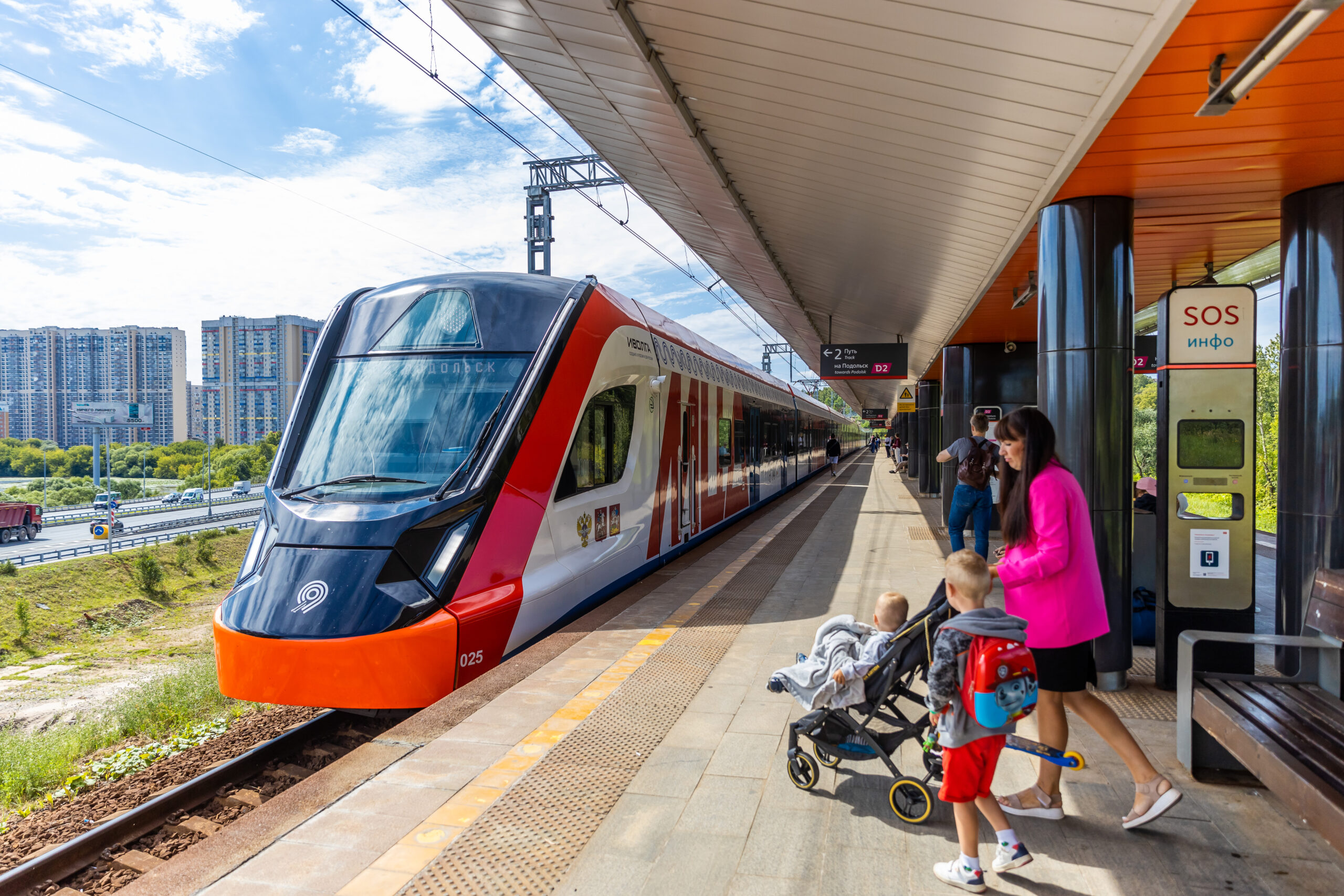
As part of Moscow’s Transport Complex Development Program, the rolling stock on the Moscow Central Diameters (MCD) has been fully updated. A total of 4.5 thousand modern carriages have been procured, including the Ivolga and EP2D models. Noise levels inside the trains have been reduced by 35%, and the average age of the rolling stock has decreased fivefold—from 23 to 4.5 years. As a result, the MCD now operates the youngest fleet of suburban trains in Europe.

The impact of this upgrade has been immediate: Muscovites and residents of the Moscow region are increasingly choosing the MCD for their daily commutes. Currently, the system handles around 1.6 million trips per day.

The delivery of new trains for the Central Transport Hub has played a pivotal role in advancing and modernizing Russia’s domestic transport engineering industry.

Next Steps The next phase will focus on updating the rolling stock on the Yaroslavl and Paveletsk directions. In June 2025, deliveries of new trains began on the Yaroslavl line, where four Ivolga 4.0 trains are now in operation. By 2030, a total of 92 trains will be renewed, increasing passenger capacity and comfort on one of the busiest routes.

Additionally, by 2035, approximately 100 new trains are planned for routes connecting Moscow with the Vladimir, Ivanovo, Kaluga, Tula, and other neighboring regions. This initiative will set new standards for passenger comfort across the entire Central Transport Hub, which accounts for nearly 75% of all suburban rail travel in Russia.

“The MCD is one of the most popular and in-demand modes of transport among passengers. Muscovites and residents of the region choose it for its comfort, speed, and seamless transfers to other transport systems. Following the directive of Moscow Mayor Sergey Sobyanin, we have completed the rolling stock update on the MCD. Outdated trains have been replaced with modern carriages equipped with climate control, air disinfection systems, clear passenger information displays, media screens, ergonomic seating, and modern charging ports for devices,” added Maksim Liksutov.