Moscow Metro – 17 Global Megacities Join the UrbanTransportData Project

Source: Moscow Metro

The IV International Transport Summit has kicked off in Moscow, bringing together over 140 experts from 41 cities worldwide this year.
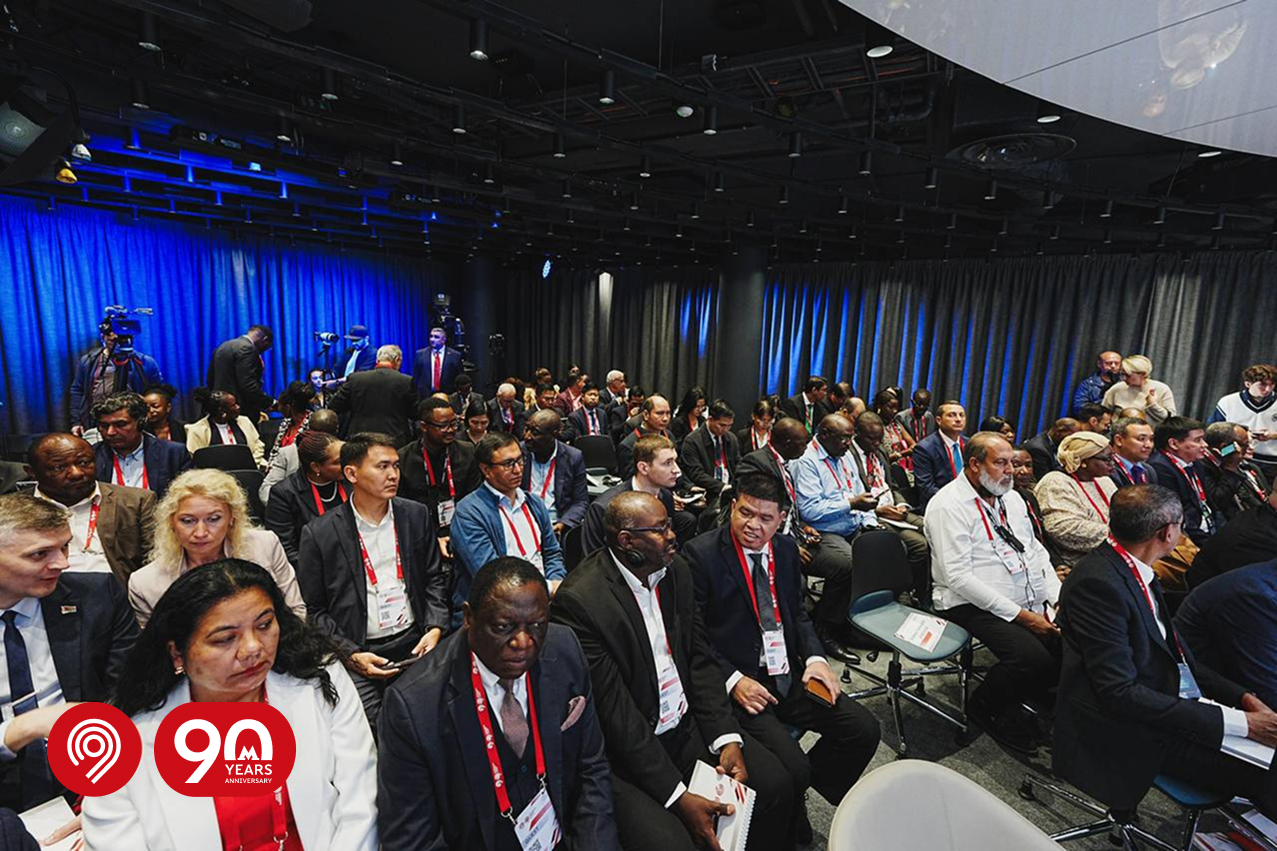
Moscow Metro: 17 Global Megacities Join the UrbanTransportData Project.

On the opening day, 17 more cities joined the UrbanTransportData initiative led by the Moscow Government. Cooperation agreements for membership were signed by Addis Ababa, Almaty, Astana, Banjul, Freetown, Havana, Harare, Ho Chi Minh City, Kampala, Lilongwe, Lima, Lusaka, Maputo, Mexico City, Nairobi, Windhoek, and Yerevan.

UrbanTransportData is an analytical platform that provides insights into transport metrics across global cities and showcases industry best practices and trends.

“Following the directive of Moscow Mayor Sergey Sobyanin, we continue to develop the UrbanTransportData project. Today, as part of the International Transport Summit, 17 more cities from Africa, Latin America, Asia, and the CIS have joined the initiative. The project now includes 32 megacities worldwide. Our analytical platform features a professional forum for urban transport experts and an extensive knowledge base for government officials, specialists, students, and researchers,” said Maksim Liksutov, Deputy Mayor of Moscow for Transport and Industry.

Additionally, on the first day of the business program, memorandums of cooperation in the transport sector were signed between the Moscow Government and the People’s Government of Beijing, as well as the Moscow Government and the Bangkok Administration.

During the summit, participants will discuss industrial development and the integration of advanced technologies in urban transport, digital passenger services and ticketing systems, autonomous technologies, rail, water, and alternative transport, among other topics.

International guests will explore the operations of regular electric river transport and charging infrastructure, visit the Unified Dispatch Center of the Moscow Metro, the Big Circle Line (BCL), Moscow Central Diameters (MCD), an electric bus depot, the Situation Center of the Traffic Management Center, the Center for Research and Development of Autonomous Transport, and the sites of the Technopolis Moscow Special Economic Zone.

The cultural program of the summit has been prepared by the Moscow Transport Museum. Participants will visit the “High Underground” exhibition, dedicated to art in the Moscow Metro, and then travel to VDNKh in retro cars for a tour of the “You Look 100!” exhibition on the history of domestic transport design. The program will conclude at the Northern River Terminal. Foreign delegates will also visit the large-scale interactive exhibition “That Very Moscow” at the Central Exhibition Hall “Manege.”
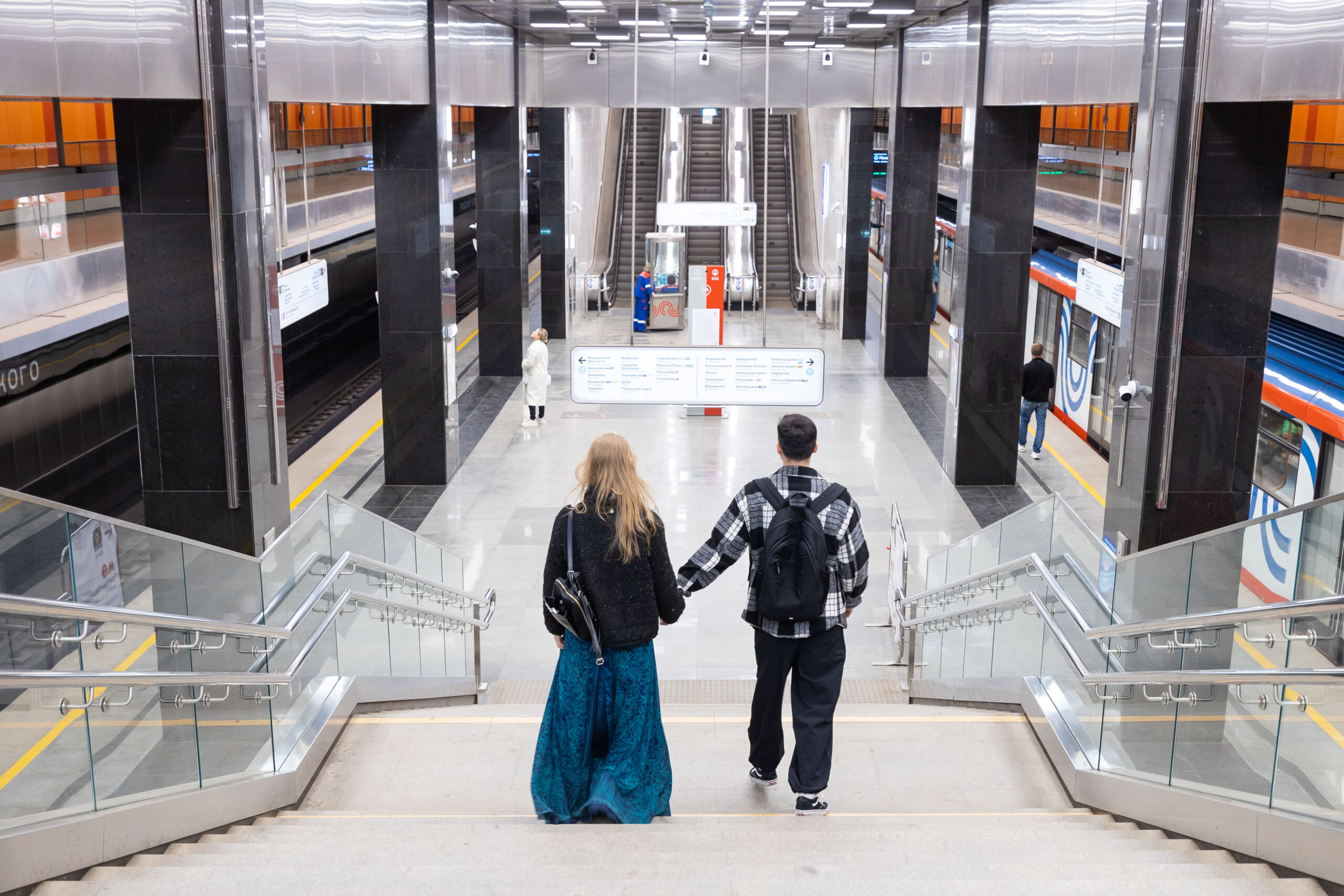
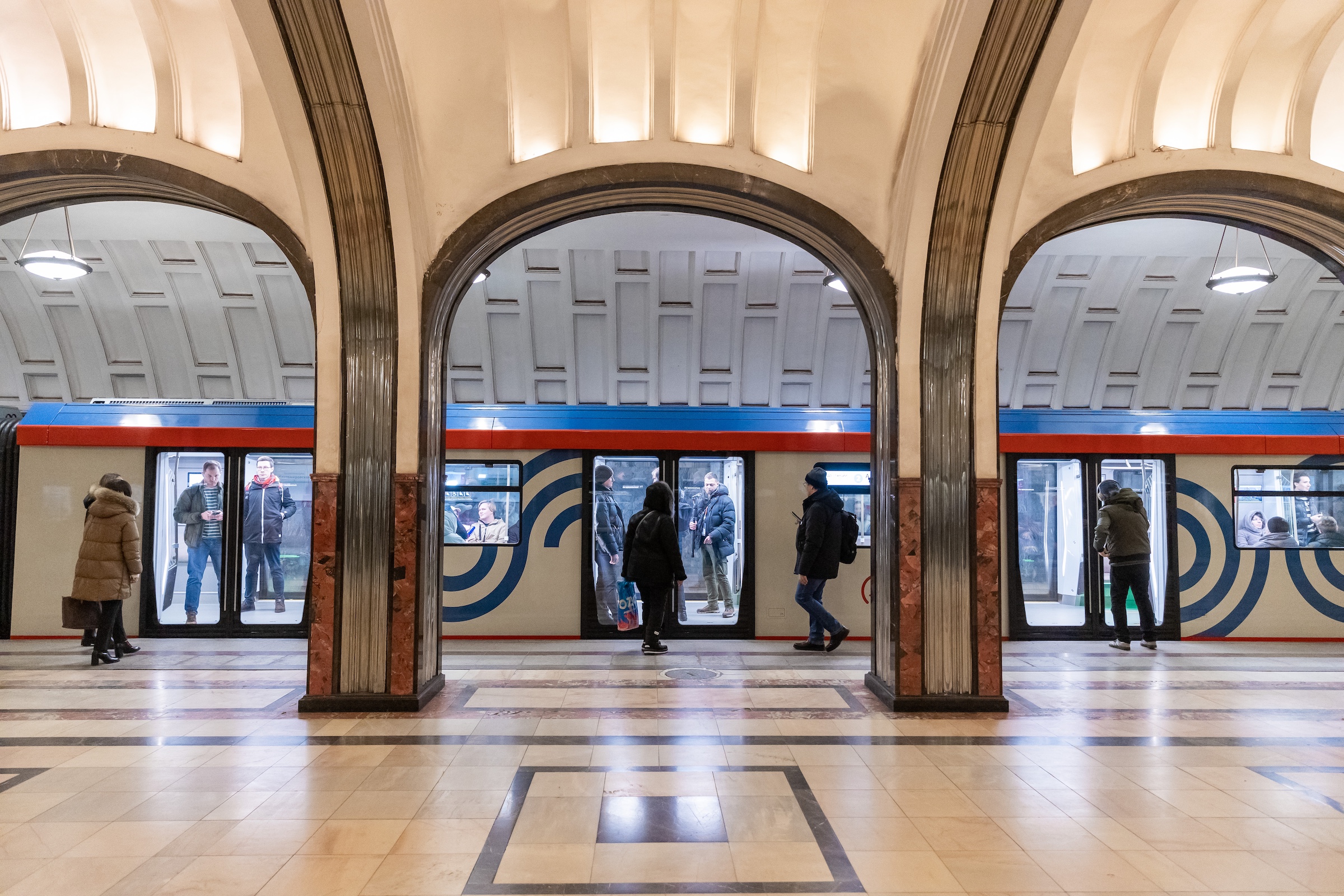
Moscow metro has become freer in 15 years.

In 2010, there were 16 overloaded sections of the metro. During rush hours, hundreds of passengers accumulated at stations, unable to board the first arriving train. They had to wait for the 3rd or even 4th train.

Today, the situation has changed dramatically: 1) passengers can board the first arriving train; 2) 90% of Moscow residents have metro stations within walking distance.

This was achieved thanks to the systematic work and effective implementation of the Moscow Transport Complex development strategy:

🔹 Construction of new lines: 120 metro and MCC stations have been opened since 2010.

🔹 Rolling stock upgrade: more than 77% of trains are of the latest generation.

🔹 Infrastructure modernization and automation: the Moscow metro occupies a leading position in the world in terms of schedule accuracy and traffic intensity.

This year, the Moscow Metro celebrated its 90th anniversary. Since 2010, as part of the Transport Complex development strategy, under the leadership of Moscow Mayor Sergey Sobyanin, large-scale work has been carried out to modernize, technically equip and update the rolling stock. Today, there are no overloaded sections in the capital’s metro, the stations have become freer, and the level of comfort and safety for passengers is one of the highest in the world, – said Maxim Liksutov.

MKB paid coupon on the USD Eurobonds CBOM’17-perp to noteholders in Russian depositories

Источник: Credit Bank of Moscow – Московского Кредитного Банка –

Важный отказ от ответственности находится в нижней части этой статьи.

MKB paid coupon on the USD Eurobonds CBOM’17-perp to noteholders in Russian depositories

18.08.2025

Please be informed about the status of the subordinated perpetual USD Notes, issued in May 2017 (ISIN: XS1601094755/ US12504PAE07) (CBOM’17-perp).

On August 18, 2025 MKB (“the Bank”) paid out coupons on the subordinated perpetual Eurobonds CBOM’17-perp. The payment was made in Russian rubles at the CBR exchange rate as of the date of payment in favour of the all noteholders in Russian depositaries (the central depository / other depositories of the Russian Federation) as at 8 August 2025, in accordance with the Executive Order dated March 5, 2022 No. 95 “On Temporary Procedures for Meeting Loan Obligations to Certain Foreign Creditors” and the Executive Order dated July 5, 2022 No. 430 “On the Repatriation by Residents Participating in Foreign Economic Activity of Foreign Currency and the Currency of the Russian Federation”.

In November 2022, the coupon rate for the next coupon periods was set at 8.974% per annum.

Fulfillment of payment obligations under Eurobonds remains a priority for MKB. For any additional information, please contact us via e-mail: capital_markets@mkb.ru.

Примите к сведению; Эта информация является необработанным контентом, полученным непосредственно от источника информации. Она представляет собой точный отчет о том, что утверждает источник, и не обязательно отражает позицию MIL-OSI или ее клиентов.

.

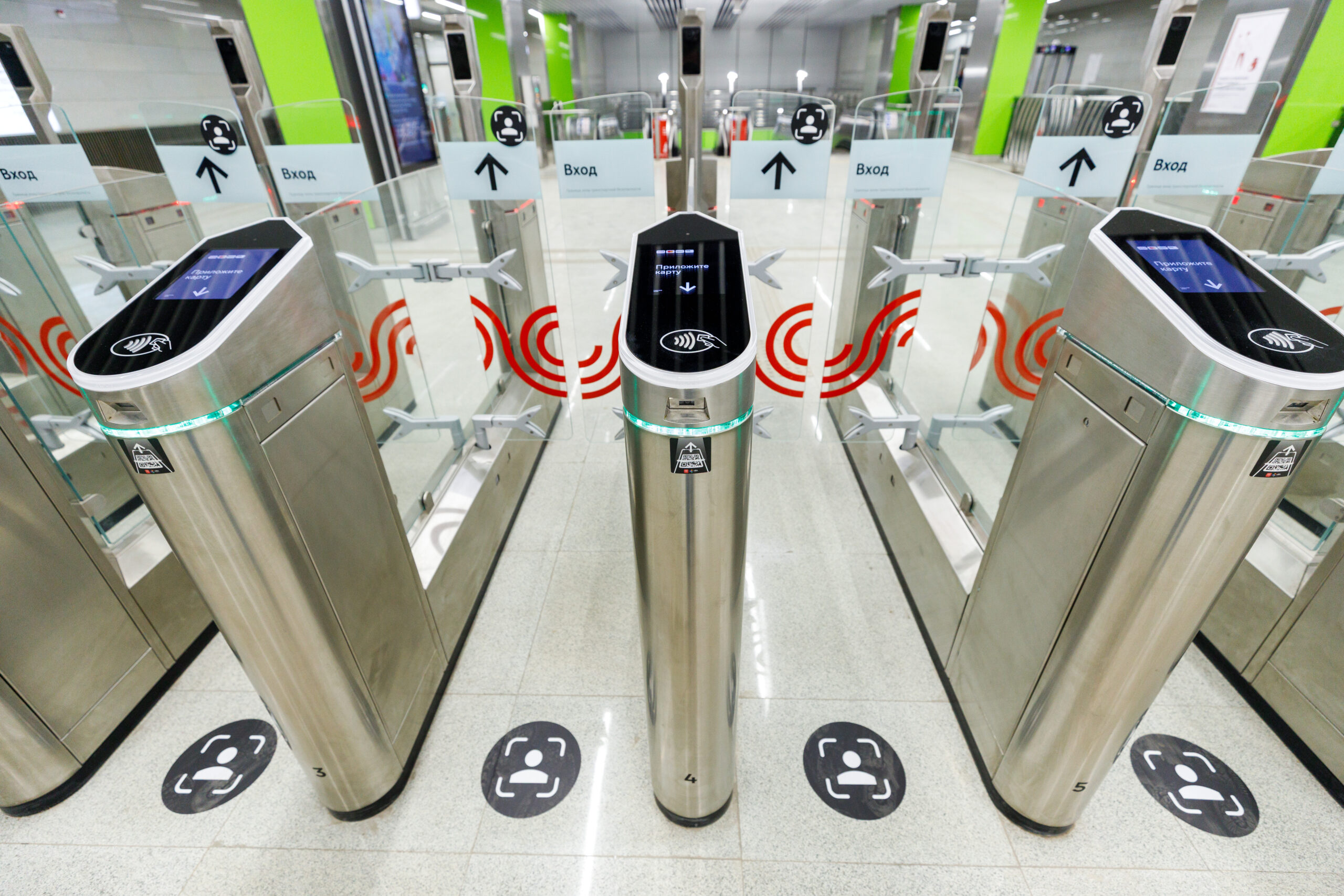
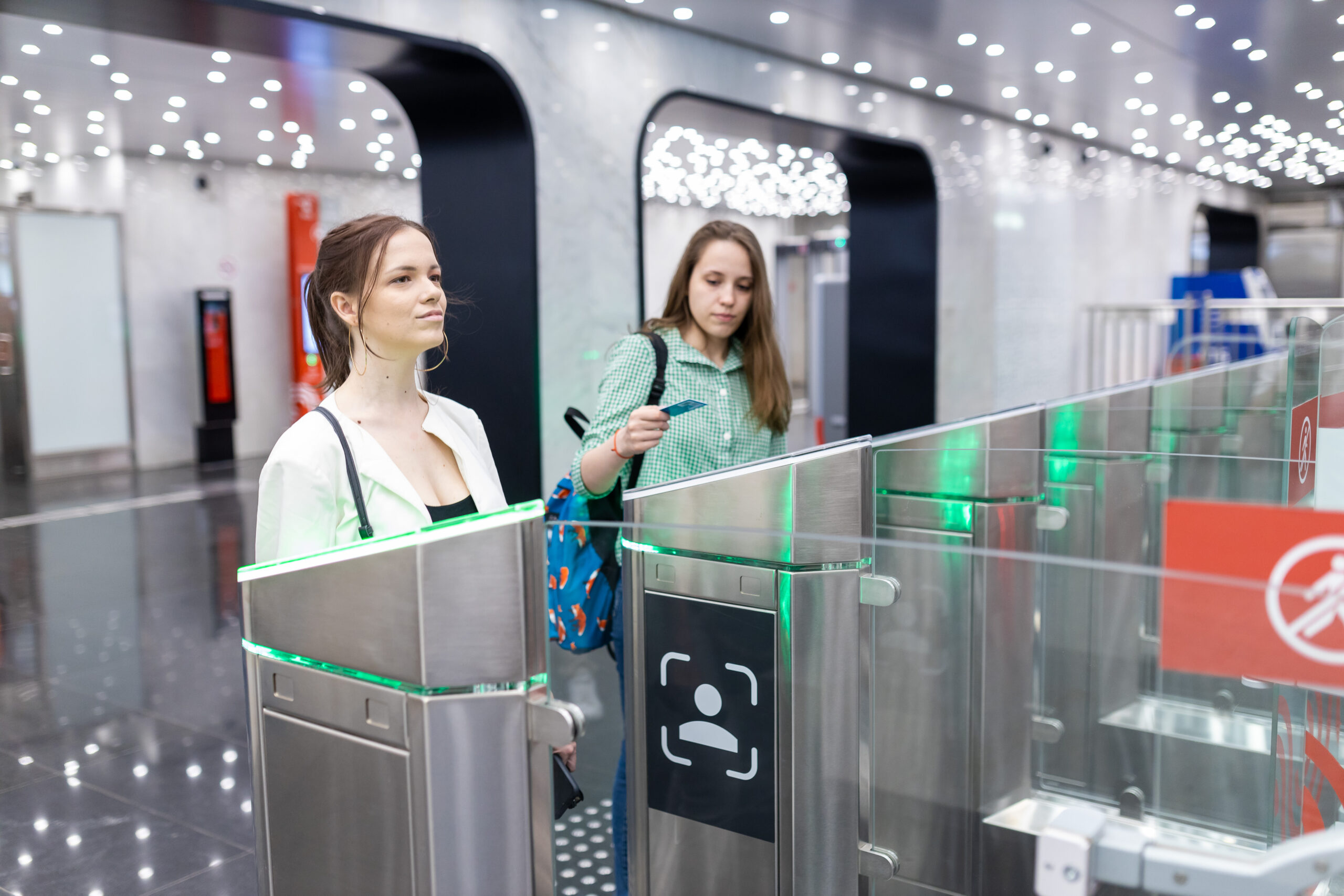
About 500 thousand users have registered in the biometric payment system.

Maksim Liksutov said that with the help of the most innovative payment tool, more than 170 thousand trips are made on urban transport every working day. And this number is constantly growing.

Biometrics is gaining popularity among Muscovites, so by the end of 2025 we will connect all turnstiles in the metro to the system. Previously, the service was available on 2-3 turnstiles at each station.

“In accordance with the Transport Strategy until 2030, approved by Moscow Mayor Sergey Sobyanin, we are developing biometric payment in urban transport. After almost 4 years of operation, the payment tool has proven itself as a safe and reliable service, unmatched in convenience. No cards, phones, or paper tickets are needed to pass through the turnstile, and the gates open in a second,” added Maksim Liksutov.

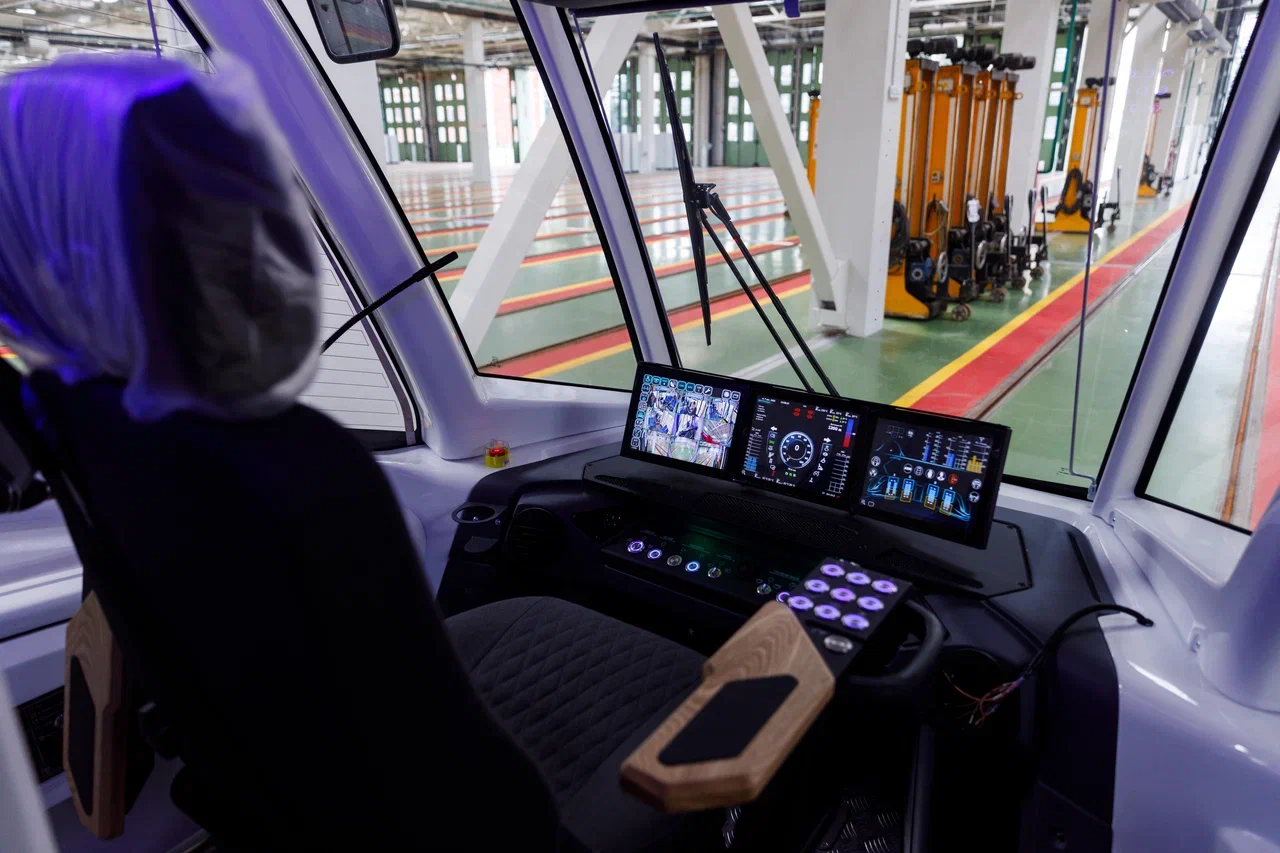
First “Lvyonok-Moscow” Tram from New Batch Arrives in Moscow.

This marks the final stage of upgrading the capital’s tram fleet. The new tramcar is already at the Apakov Depot, which reopened this spring after renovation. Soon, it will undergo inspections, test runs, and then enter service. Moscow will receive 100 such trams over the next two years.

The “Lvyonok” (Lion Cub) is a modern low-floor tram with an extended autonomous operation system. It can travel on sections without overhead wires, ensuring reliable schedule adherence and reducing infrastructure costs. Its battery range is at least 4 km.

Passenger features include fully low-floor access at all doors, climate control, charging ports, multimedia screens, and dedicated spaces for strollers and bicycles. Capacity reaches up to 150 passengers. The driver’s cabin is equipped with an anti-sleep system, while interior and exterior surveillance cameras are installed throughout the tram.

Moscow remains a global leader among megacities in tram fleet renewal: 97% of trams have already been replaced, with the average age of rolling stock under 6 years.

New-generation turnstiles were presented at the “That Very Moscow” exhibition in the Manezh.

Maksim Liksutov announced that the updated turnstiles will appear in the metro as early as this year. Thanks to their narrow cabinets, they will increase the capacity of stations by 40%.

The new turnstiles are equipped with:

🔹 Light indication of payment status. Color lighting will immediately show whether the transaction was successful.

🔹 Vibration feedback for the visually impaired. A tactile signal will help understand whether the passage is open without the need for visual control.

🔹 The ability to pass from both sides. The turnstiles can function as both entry and exit points, which is especially convenient at stations with high passenger traffic.

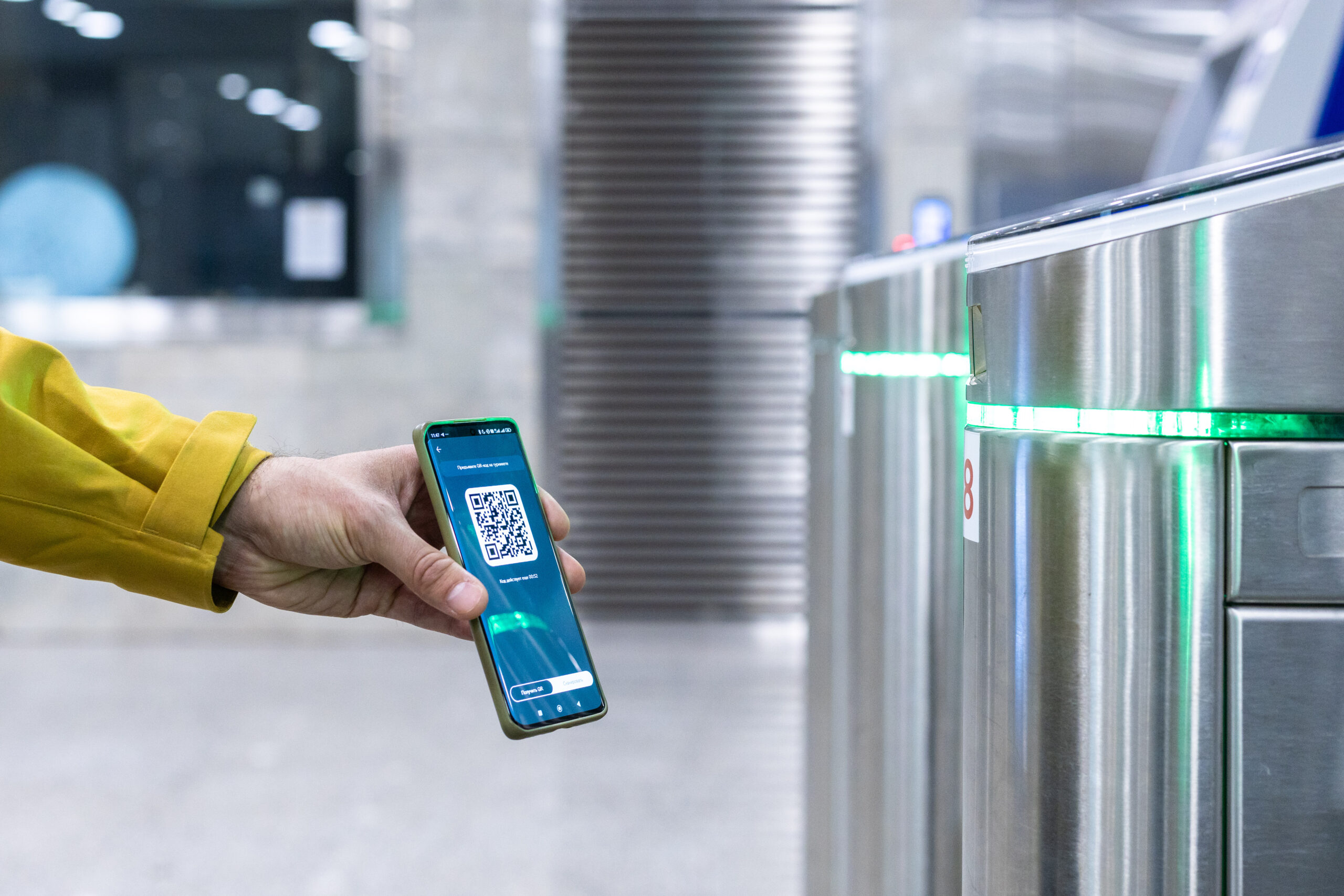
🔹 A convenient validation area for digital payment methods. The readers are positioned to instantly recognize virtual Troika cards, FPS (Faster payment system), and other contactless payment methods.

“By 2031, more than 4.5 thousand new-generation turnstiles will appear at metro, MCC, and MCD stations. The speed of each will increase due to more modern equipment and the use of new Russian microelectronics made in Zelenograd. This will ensure quick and convenient passage for everyone, including passengers with limited mobility and the visually impaired. By the order of Moscow Mayor Sergey Sobyanin, we will continue to improve the payment infrastructure in the capital’s transport,” added Maksim Liksutov.

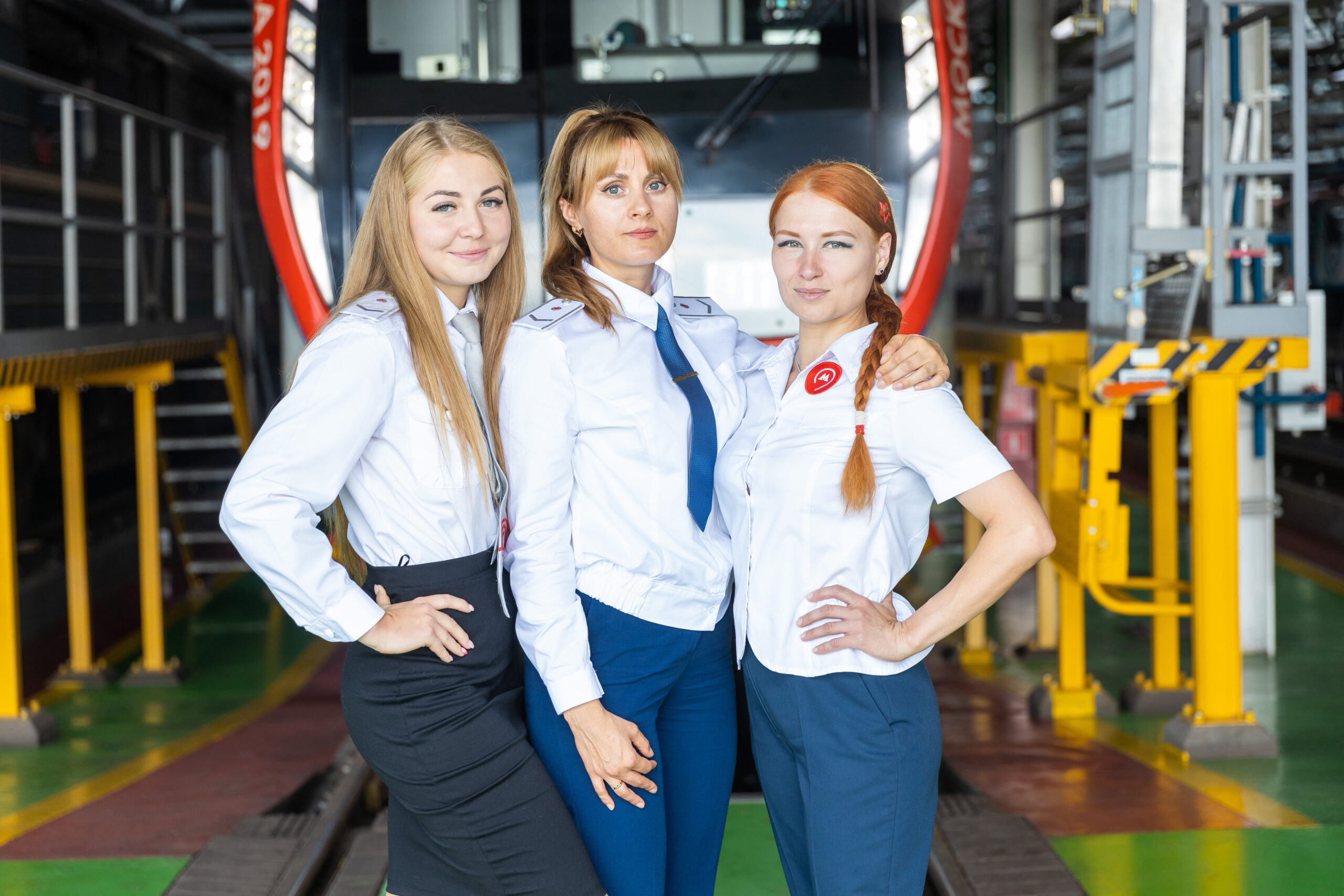
Women train drivers have been successfully working in the Moscow Metro for 2 years

Source: Moscow Metro

Women train drivers have been successfully working in the Moscow Metro for 2 years.

Moscow Metro. Московский метрополитен.

For two years now, women have been successfully operating trains on Line 15 of the Moscow Metro. The return of women to the train driver profession became possible in January 2021, and today they operate trains not only on Line 15 but also on the 4/4A and 1 Lines.

In 2020, with the participation of Moscow Mayor Sergey Sobyanin and the Ministry of Labor and Social Protection, we achieved the return of women to the profession of electric train driver. Today, about 140 women train drivers and their assistants operate trains on 3 metro lines. More than 20% of them work on Line 15,” noted Moscow Deputy Mayor for Transport Maksim Liksutov.

The return of women to the train driver profession was an important step in ensuring equal opportunities and expanding professional horizons for women in Moscow’s transport sector.

By 2030, the share of new trains in the Moscow Metro will exceed 90%.

The Moskvs-2024 series trains are among the most technologically advanced in the world, combining comfort and safety.

Currently, they operate on the Zamoskvoretskaya and Troitskaya lines of the metro. The distinctive features of the Moskva-2024 trains are highlighted in the following points.

“Under the directive of Moscow Mayor Sergei Sobyanin, we regularly update the rolling stock of the Moscow Metro. This year, at the St. Petersburg International Economic Forum, we signed the world’s largest contract for the supply of new trains. In 2026 and 2027, we will receive over 700 of the most modern cars of the ‘Moskva-2026’ series. Over the past 15 years, the share of new trains in the metro has increased from about 13% to 77%. We plan that by 2030, this figure will rise to more than 90%, and there will be no lines in the metro without modern trains,” said Maxim Liksutov.

Moscow Metro – Moscow is a global leader in the number of ways to pay for public transportation fares

Source: Moscow Metro

Maksim Liksutov noted that today there are 13 payment options available in the capital’s transport system. These include both traditional methods and the most modern ones.

Moscow Metro.

Thanks to the introduction of modern payment solutions:

  1. Over 95% of passengers no longer visit ticket offices.
  2. 98% do not buy paper tickets.
  3. 91.2% choose contactless payment.

Today, Moscow leads in the number of ways to pay for public transportation fares. The developed ticketing system allows the city to save on printing paper tickets and receipts and eliminates queues at metro ticket offices.

Moscow Metro.

To create the best payment system in the world, the Moscow Government uses the most advanced domestic developments. Following the directive of Moscow Mayor Sergey Sobyanin, efforts continue to make fare payments in urban transport even more convenient for all passengers, Maksim Liksutov reported.

Moscow Metro – The first section of the Line 17 has been fully completed

Source: Moscow Metro

The tunnel boring machine «Sofia» has successfully completed the excavation of the second, left running tunnel from the under-construction Zvenigorodskaya station to the underground dismantling chamber near Shelepikha, which previously operated as part of the BCL.

The shield overcame 348 meters in difficult geological conditions. It took less than three months to complete.

«Sofia» has already laid the right tunnel in this section. Part of the route was excavated by miners manually, using small mechanization tools.

With the completion of this work, the entire mechanized tunneling from Shelepikha to Bulvar Generala Karbysheva with a length of 4.8 km has been completed. Both new tunnels will be integrated with the existing tunnels.

Previously, the shields «Natali» and «Victoria» completed the first section as part of the construction of the Line 17 between the stations Zvenigorodskaya and Narodnoe Opolchenie, and then to Bulvar Generala Karbysheva.

The first section of the new line will begin to work next year.

Line 17 will connect the business district of the Moscow International Business Center «Moscow-City» and the smart district SberCity. This line will have 12 stations, and there are plans to extend it to Krasnogorsk in the future.