Moscow Metro – Moscow has updated the design of its metro map

Source: Moscow Metro

Moscow has updated the design of its metro map. Now, only smooth lines are used for the design, and large parks within walking distance from the metro are depicted on the map. The last time the map’s design was radically changed was in 2013.

Moscow Metro.

The Moscow Department of Transport has unveiled the updated map of the capital’s metro. Among the main changes: only smooth lines are used for the schematic representation, and large parks within walking distance from the metro are shown on the map. Maksim Liksutov, Deputy Mayor of Moscow for Transport and Industry, noted that the innovations are aimed at making the map more convenient for passengers.

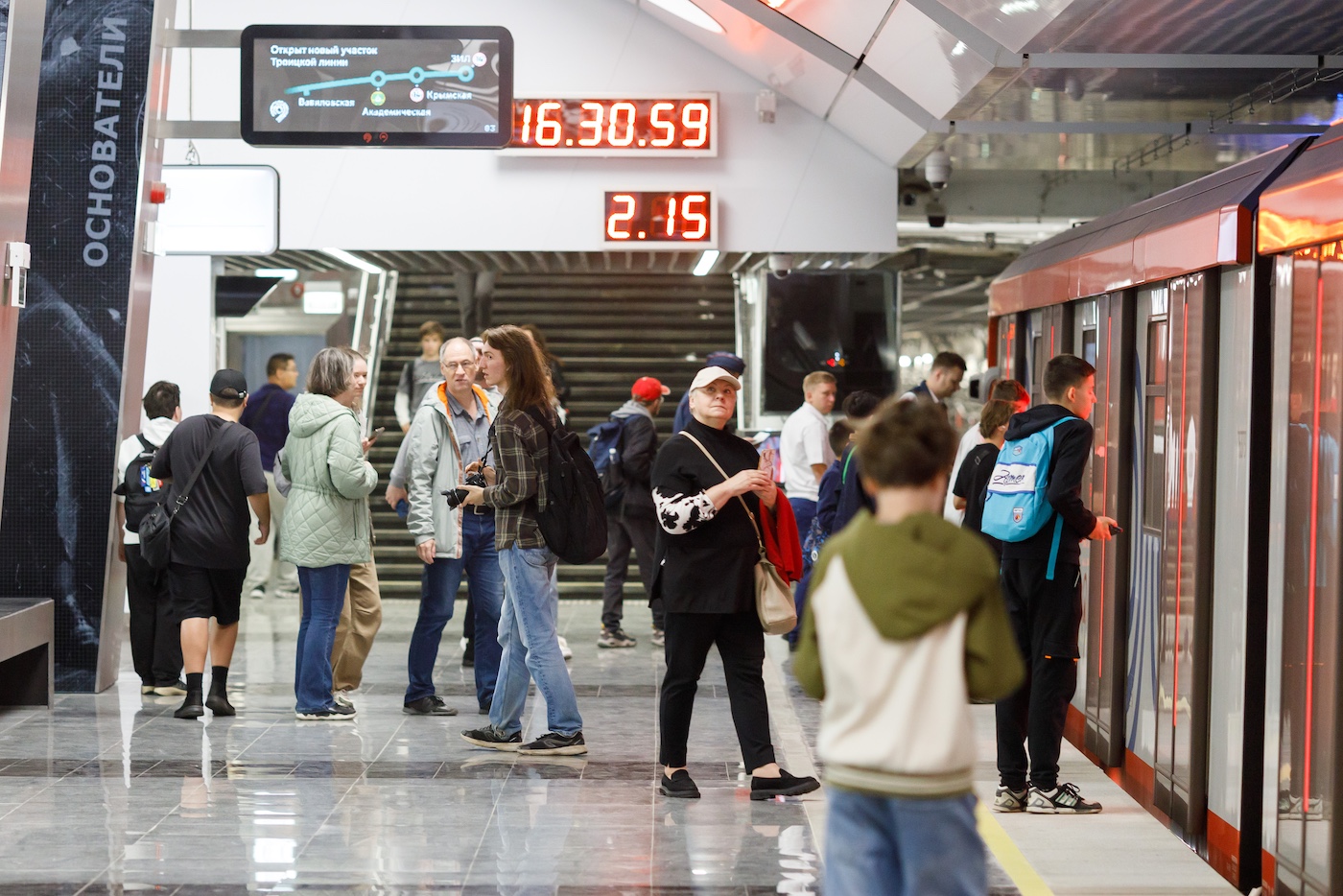
According to Liksutov, some elements on the map have been introduced for the first time in 90 years; the last time its design was radically changed was in 2013. The new map was prepared for the opening of the new section of the Line 16, Novatorskaya — ZIL.

“This year, we will change the design of the metro map for the convenience of users. A total of more than 38 thousand maps will be placed for the opening of the new section of the Troitskaya line. The design was developed taking into account feedback from passengers, and the new approach to creating navigation will allow Muscovites and tourists to read information even faster,”  commented the Deputy Mayor.

The Moscow Metro is the largest in Europe in terms of passenger traffic and ranks second in the world in this indicator. The metro development program provides for the construction of 31 more stations in Moscow by 2030.

Currently, work continues on the construction of the Lines 16 and 17, as well as the Dostoevskaya station of the Circle Line. Additionally, design work is underway for the Line 18 and the extension of the Line 3 with the construction of a new terminal station, Golyanovo.

Moscow Metro – Time for new technologies! Testing neural voice in audio messages in the Moscow metro.

Source: Moscow Metro

Time for new technologies! Testing neural voice in audio messages in the Moscow metro.

Time for new technologies! Testing neural voice in audio messages in the Moscow metro. – Московское метро тестирует нейроголос в аудиосообщениях.

We are gradually introducing artificial intelligence into the capital’s transport system. For example, since the beginning of the year, a neural network has been helping Alexandera’s chatbot answer your questions. Now, as part of a pilot project, AI will assist announcers in the Moscow metro.

As Maksim Liksutov explained, audio announcements are one of the most important ways to communicate with passengers. Sometimes something changes in metro operations: an escalator is closed for repair or trains follow a different route. Each situation requires a prompt announcement. Neural voice will help solve this task in minutes.

Moreover, the required audio file can be created remotely. Specialists only need to:

Prepare the text.

Upload it to the program.

Adjust the voice — choose the timbre, intonation, and pause length. By the way, AI was trained on real recordings of metro announcers.

We will test neural voice on the Line 1, which has many transfers to the MCC, MCD, other metro lines, car and railway stations. Also, Komsomolskaya station is located here — the leader in the number of transport infrastructure objects announced by announcers.

«Voices in neural processing allow creating prompt audio announcements in the unified style of Moscow Transport. After the pilot launch of the technology on the Line 1, we will decide on its further use in the metro and beyond. We will also consider passengers’ wishes. We continue to implement the most modern digital services, as instructed by Moscow Mayor Sergey Sobyanin», — said Maksim Liksutov.

Московское метро тестирует нейроголос в аудиосообщениях

Источник: Московское метро

Московское метро тестирует нейроголос в аудиосообщениях

Идет постепенное внедрение искусственного интеллекта в систему столичного транспорта. Например, с начала года нейросеть помогает чат-боту Александра отвечать на вопросы пассажиров. Теперь же в рамках пилотного проекта ИИ поможет в работе дикторам московского метро.

Московское метро тестирует нейроголос в аудиосообщениях.

Как пояснил Максим Ликсутов, аудиоинформирование — один из важнейших способов общения с пассажирами. Иногда в работе метро что-то меняется: закрывают эскалатор на ремонт или поезда следуют по другому маршруту. К каждой ситуации нужно оперативно подготовить объявление. Эту задачу за считанные минуты поможет решить нейроголос.

При этом нужный аудиофайл можно создать удаленно. Специалистам достаточно: 1) подготовить текст; 2) загрузить его в программу; 3) настроить голос — выбрать тембр, интонацию и длину пауз. Примечательно, что ИИ обучали на реальных записях дикторов метро.

Тестирование нейроголоса пройдет на Сокольнической линии, где много пересадок на МЦК, МЦД, другие линии метро, авто и ж/д вокзалы. Также здесь располагается «Комсомольская» — станция-лидер по количеству объектов транспортной инфраструктуры, которые объявляют дикторы.

Голоса в нейрообработке позволяют создавать оперативные аудиообъявления в едином стиле Московского транспорта. После пилотного запуска технологии на Сокольнической линии будет приниматься решение о дальнейшем использовании ее в метро и за его пределами. При этом будут учитываться пожелания пассажиров. Московское метро продолжает внедрять самые современные цифровые сервисы, как поручил Мэр Москвы Сергей Собянин, — отметил Максим Ликсутов.

Moscow Metro – Russia conducted its first digital ruble payment as part of a smart contract for insuring the capital’s autonomous tram

Source: Moscow Metro

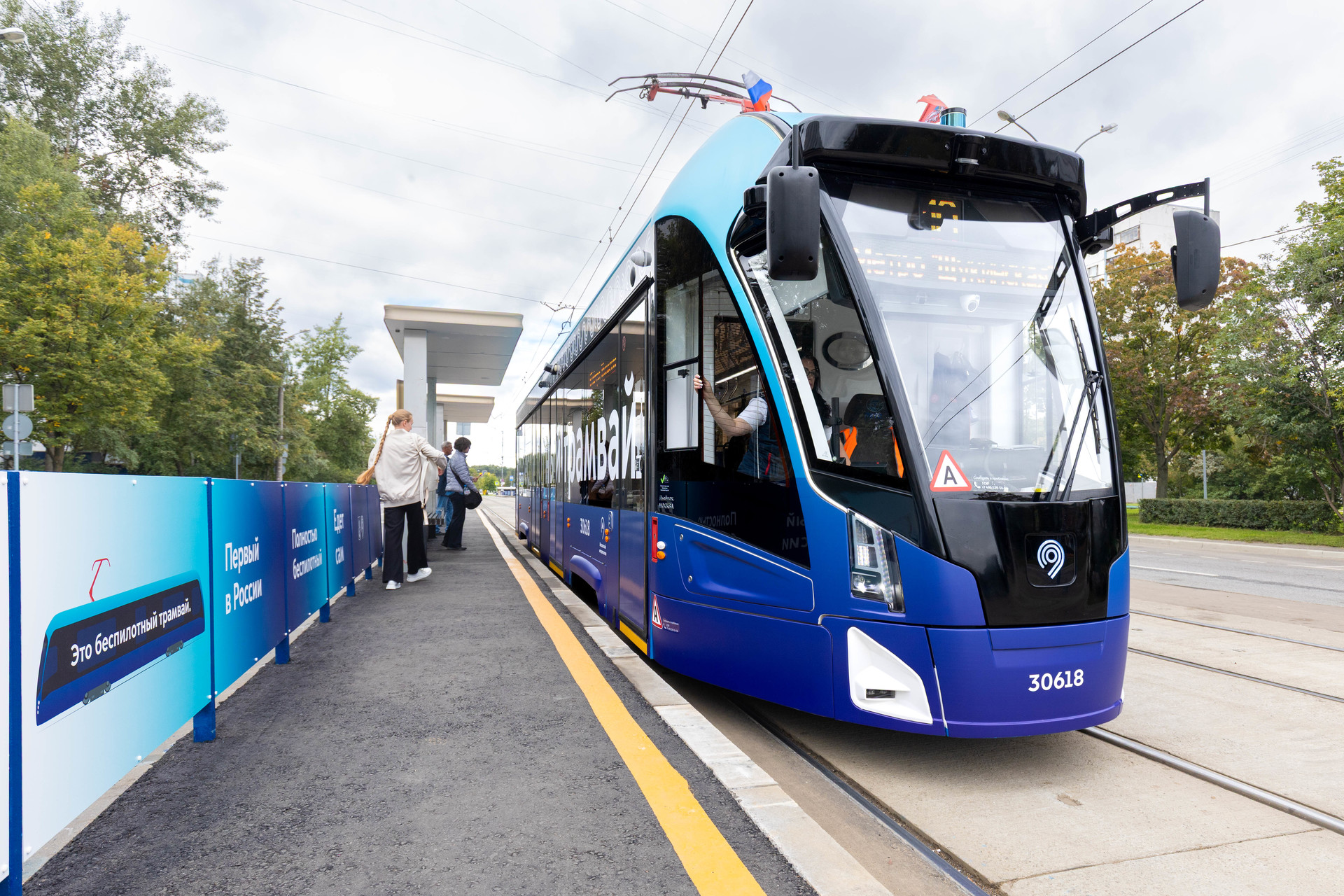
Russia conducted its first digital ruble payment as part of a smart contract for insuring the capital’s autonomous tram.

Russia conducted its first digital ruble payment as part of a smart contract for insuring the capital’s autonomous tram. – Московский метрополитен – В России провели 1-й платеж цифровыми рублями в рамках смарт-контракта на страхование столичного беспилотного трамвая.

As Maksim Liksutov reported, the transaction was successfully carried out in pilot mode between the insurance group SOGAZ and the metro, with the support of VTB Bank. The payment was not related to an actual insurance event.

Key advantages of digital rubles:

🔹 Reliability. This is a digital form of the national currency, alongside cash and non-cash funds.

🔹 Speed. Payments are processed automatically within one day under a smart contract.

🔹 Security. Full transparency of transfers, as well as payments for goods and services.

At the beginning of 2025, on the instructions of Moscow Mayor Sergey Sobyanin, the Moscow Government signed a smart contract to insure Russia’s first autonomous tram. This test payment proved the safety, transparency, and high speed of fulfilling obligations using digital rubles. The online calculation of simulated damages and the payout of compensation were completed within one day. In the future, digital rubles will become one of the payment methods for fares and other transportation services in the capital, said Maksim Liksutov.

Московский метрополитен – В России провели 1-й платеж цифровыми рублями в рамках смарт-контракта на страхование столичного беспилотного трамвая

Источник: Московский метрополитен – В России провели 1-й платеж цифровыми рублями в рамках смарт-контракта на страхование столичного беспилотного трамвая

Московский метрополитен – В России провели 1-й платеж цифровыми рублями в рамках смарт-контракта на страхование столичного беспилотного трамвая.

Как рассказал Максим Ликсутов, транзакцию успешно совершили в пилотном режиме между страховой группой «СОГАЗ» и метро при поддержке ВТБ. Платеж не связан с наступлением страхового случая.

Главные преимущества цифровых рублей:

🔹 Надежность. Это цифровая форма национальной валюты наряду с наличными и безналичными средствами

🔹 Скорость. Платежи проходят автоматически в течение 1 дня в рамках смарт-контракта

🔹 Безопасность. Полная прозрачность переводов, оплаты товаров и услуг

В начале 2025 года по поручению Мэра Москвы Сергея Собянина Правительство Москвы заключило смарт-контракт на страхование первого в России беспилотного трамвая. Тестовый платеж доказал безопасность, прозрачность и высокую скорость исполнения обязательств с применением цифровых рублей. Онлайн-расчет имитируемого ущерба и выплата возмещения произошла в течение 1 дня. В дальнейшем цифровые рубли станут одним из способов оплаты проезда и других транспортных услуг в столице, — сообщил Максим Ликсутов.

Biometrics will work on all metro turnstiles.

As Maxim Liksutov stated, by the end of 2025, all payment equipment for station access will be connected to the biometrics service. For example, late last week, work was completed on the Solntsevskaya line, where biometrics were implemented at 138 access points. Biometrics have become a convenient and secure way to pay for travel, with all user data securely encrypted and the system itself having bank-level protection.

Previously, this convenient payment method was launched on all turnstiles of the following lines: Troitskaya, Butovskaya, Nekrasovskaya, and Filyovskaya.

Moscow is a global leader in the number of transport types where biometric payment is available. The payment service operates in the metro, on the MCC, Aeroexpress, regular river routes, and some MCD stations. The most modern payment method can be used at approximately 1.5 thousand urban transport turnstiles. Following the task of Moscow Mayor Sergey Sobyanin, the best Russian payment solutions continue to be developed in the capital’s transport for user convenience, Maxim Liksutov added.

Биометрия заработает на всех турникетах метро.

Как рассказал Максим Ликсутов, до конца 2025 года к сервису биометрии подключат все платежное оборудование для прохода на станции. Например, в конце прошлой недели были завершены работы на Солнцевской линии, где биометрия появилась на 138 проходах. Биометрия стала удобным и безопасным способом оплаты проезда, при котором все данные пользователей надежно зашифрованы, а сама система имеет банковский уровень защиты.

Ранее удобный способ оплаты проезда заработал на всех турникетах следующих линий: Троицкая, Бутовская, Некрасовская и Филевская.

Москва — мировой лидер по количеству видов транспорта, где доступна оплата по биометрии. Платежный сервис работает в метро, на МЦК, «Аэроэкспрессе», регулярных речных маршрутах и некоторых станциях МЦД. Самым современным способом оплаты проезда можно воспользоваться на около 1,5 тыс. турникетах городского транспорта. По задаче Мэра Москвы Сергея Собянина в столичном транспорте продолжают развиваться лучшие российские платежные решения для удобства пользователей, — добавил Максим Ликсутов.

For the first time, we held a Parade and an exhibition of historical transport on Sergiya Radonezhskogo Street!

Recall that the tram line on this street was opened by Moscow Mayor Sergey Sobyanin in September last year.

Maksim Liksutov noted that more than 150 units of historical equipment participated in the parade and exhibition of retro transport: 16 trams of different generations, about 80 rally crews and about 75 cars, including the Ikarus-280 bus.

How it was:

🔹 More than 140 thousand spectators visited the parade and the exhibition.

🔹 Not only trams from different eras were presented, but also exhibits from the Moscow Transport Museum and the Museum of the Special Purpose Garage of the Federal Guard Service of Russia.

🔹 The audience was even able to see a horse-drawn tram – the predecessor of the electric tram.

🔹 The atmosphere of old Moscow was recreated by historical reenactors, and the concert program was attended by artists of the Music in the Metro project, the Academic Choir of the Moscow Metro and DJ Smash.

Today the 19th tram parade took place. The parade was led by a horse-drawn tram drawn by four horses. Such events are liked by Muscovites and traditionally gather a large number of spectators. On behalf of Moscow Mayor Sergey Sobyanin, we will continue to organize more interesting events for residents and guests of the capital, — added Maksim Liksutov.

На улице Сергия Радонежского впервые состоялся Парад исторического транспорта!

В сентябре 2024 г. Мэр Москвы Сергей Собянин открыл трамвайную линию длиной более 860 метров, что позволило организовать новый маршрут трамвая № 2 «3-я Владимирская улица» — «Курский вокзал».

Максим Ликсутов отметил, что в параде и выставке ретротранспорта 12 июля участвовали более 150 единиц исторической техники: 16 трамваев разных поколений, около 80 экипажей ралли и порядка 75 автомобилей, включая автобус Икарус-280.

🔹 Парад и выставке посетили более 140 тыс. зрителей

🔹 Представили не только трамваи разных эпох, но и экспонаты из Музея транспорта Москвы и Музея Гаража особого назначения ФСО России

🔹 Зрители смогли увидеть даже конку с лошадьми — предшественницу электрического трамвая

🔹 Атмосферу старой Москвы воссоздавали исторические реконструкторы, а в концертной программе участвовали артисты проекта «Музыка в метро», Академический хор Московского метрополитена и DJ Smash

Это уже 19-й парад трамваев. Возглавила парад конка, запряженная четверкой лошадей. Такие мероприятия нравятся москвичам и традиционно собирают большое количество зрителей. По поручению Мэра Москвы Сергея Собянина продолжается дальнейшая организация еще более интересных событий для жителей и гостей столицы, — добавил Максим Ликсутов.

Moscow Sets a Global Trend in Urban Transport.

At a press conference held on July 7, Maxim Liksutov, Deputy Mayor of Moscow for Transport and Industry, gave comprehensive answers to key questions about the development of urban transport.

Major Metro Upgrades:

– The share of upgraded rolling stock in the Moscow Metro has reached 77%.

– So far this year, 144 Moskva-2024 cars have been delivered, with another 128 expected by the end of the year.

– In 2026–2027, the fleet will be expanded with more than 700 new Moskva-2026 cars.

– By 2030, the share of new trains will exceed 90%.

Industrial Growth and Innovation:

– Moscow is the largest industrial and scientific center in Russia, home to over 4,500 enterprises.

– Over the past five years, clothing production has increased 58.3 times, machinery and equipment production 7.5 times, and electronics and optics production 5.4 times.

– The industrial production index for January–May 2025 rose by 6% compared to last year.

Autonomous Technologies and Safety:

– In 2025, Russia’s first passenger-carrying autonomous tram will start operating; by 2035, the entire tram fleet will be autonomous.

– The metro is implementing the “Sfera” video analytics system, which has already helped locate 17,000 criminals and 2,000 missing people, including children.

Regular River Transport:

– In just two years of operation, Moscow’s regular river routes have made the city a global leader: no other metropolis has a comparable electric water transport system.

– More than 2 million passengers have used river transport, far exceeding the city’s expectations.

– The capital already operates three routes and 29 electric vessels; by 2030, the fleet will grow to 60 vessels and four new routes will be added.

– The recently launched “Novospasskiy — ZIL” route has already completed about 15,000 trips.

A New Future for the Monorail — Park in the Sky:

– Over 71% of Muscovites supported the creation of Russia’s first year-round park on the former monorail line.

– The new 40,000 sq. m park will connect five districts and become a new city landmark with running tracks, alleys, cafes, and relaxation zones.

– Some monorail cars will be preserved as historical monuments, and staff will receive new jobs in the metro.

Major Infrastructure Projects:

– In 2026, reconstruction of Yaroslavsky Railway Station will begin, lasting 2.5 years, expanding passenger areas and integrating the station into the city’s transport system.

– In New Moscow, the country’s first cluster for the production of battery cells for electric transport is being built, which will cover almost all the needs of the Central Federal District.

Micromobility Development:

– Around 350 slow zones for e-scooters are in operation in Moscow, where speed is limited to 5–15 km/h.

– In just 3.5 months, users made over 32 million e-scooter trips; the number of serious accidents fell by 25% thanks to comprehensive safety measures.

– Mandatory verification through Mos ID was introduced, allowing the blocking of 32,000 underage accounts.

– During the season, 39,000 fines were issued and 46,000 violators’ accounts were blocked.