Женщины-машинисты успешно работают в Московском метро уже 2 года

Источник: Московский метрополитен

Женщины-машинисты успешно работают в Московском метро уже 2 года

Московский метрополитен.

Уже два года женщины успешно управляют поездами на Некрасовской линии Московского метрополитена. Возвращение женщин в профессию машиниста стало возможным в январе 2021 года, и сегодня они управляют составами не только на Некрасовской, но и на Филевской и Сокольнической линиях.

«В 2020 году при участии Мэра Москвы Сергея Собянина и Министерства труда и социальной защиты мы добились возвращения женщин в профессию машиниста электропоезда. Сегодня уже около 140 женщин-машинистов и их помощников управляют составами на 3 линиях метро. Более 20% из них работают на Некрасовской линии», — отметил заместитель Мэра Москвы по вопросам транспорта Максим Ликсутов.

Возвращение женщин в профессию машиниста стало важным шагом в обеспечении равных возможностей и расширении профессиональных горизонтов для женщин в транспортной отрасли Москвы.

By 2030, the share of new trains in the Moscow Metro will exceed 90%.

The Moskvs-2024 series trains are among the most technologically advanced in the world, combining comfort and safety.

Currently, they operate on the Zamoskvoretskaya and Troitskaya lines of the metro. The distinctive features of the Moskva-2024 trains are highlighted in the following points.

“Under the directive of Moscow Mayor Sergei Sobyanin, we regularly update the rolling stock of the Moscow Metro. This year, at the St. Petersburg International Economic Forum, we signed the world’s largest contract for the supply of new trains. In 2026 and 2027, we will receive over 700 of the most modern cars of the ‘Moskva-2026’ series. Over the past 15 years, the share of new trains in the metro has increased from about 13% to 77%. We plan that by 2030, this figure will rise to more than 90%, and there will be no lines in the metro without modern trains,” said Maxim Liksutov.

К 2030 году доля новых поездов в метро Москвы составит более 90%.

Поезда серии «Москва-2024» — одни из самых технологичных в мире составов, которые сочетают комфорт и безопасность.

Сегодня они ходят на Замоскворецкой и Троицкой линиях метро. Чем примечательны поезда «Москва-2024», рассказали в карточках.

«По поручению мэра Москвы Сергея Собянина мы регулярно обновляем подвижной состав Московского метрополитена. В этом году на Петербургском международном экономическом форуме подписали крупнейший в мире контракт на поставку новых поездов. В 2026 и 2027 годах мы получим более 700 самых современных вагонов серии «Москва-2026». За последние 15 лет доля новых составов в метро выросла с около 13% до 77%. Планируем, что в 2030 году этот показатель увеличится до более чем 90%, а в метро не останется линий без современных поездов», — рассказал Максим Ликсутов.

Московский метрополитен: Москва – мировой лидер по числу способов оплаты проезда

Источник: Московский метрополитен

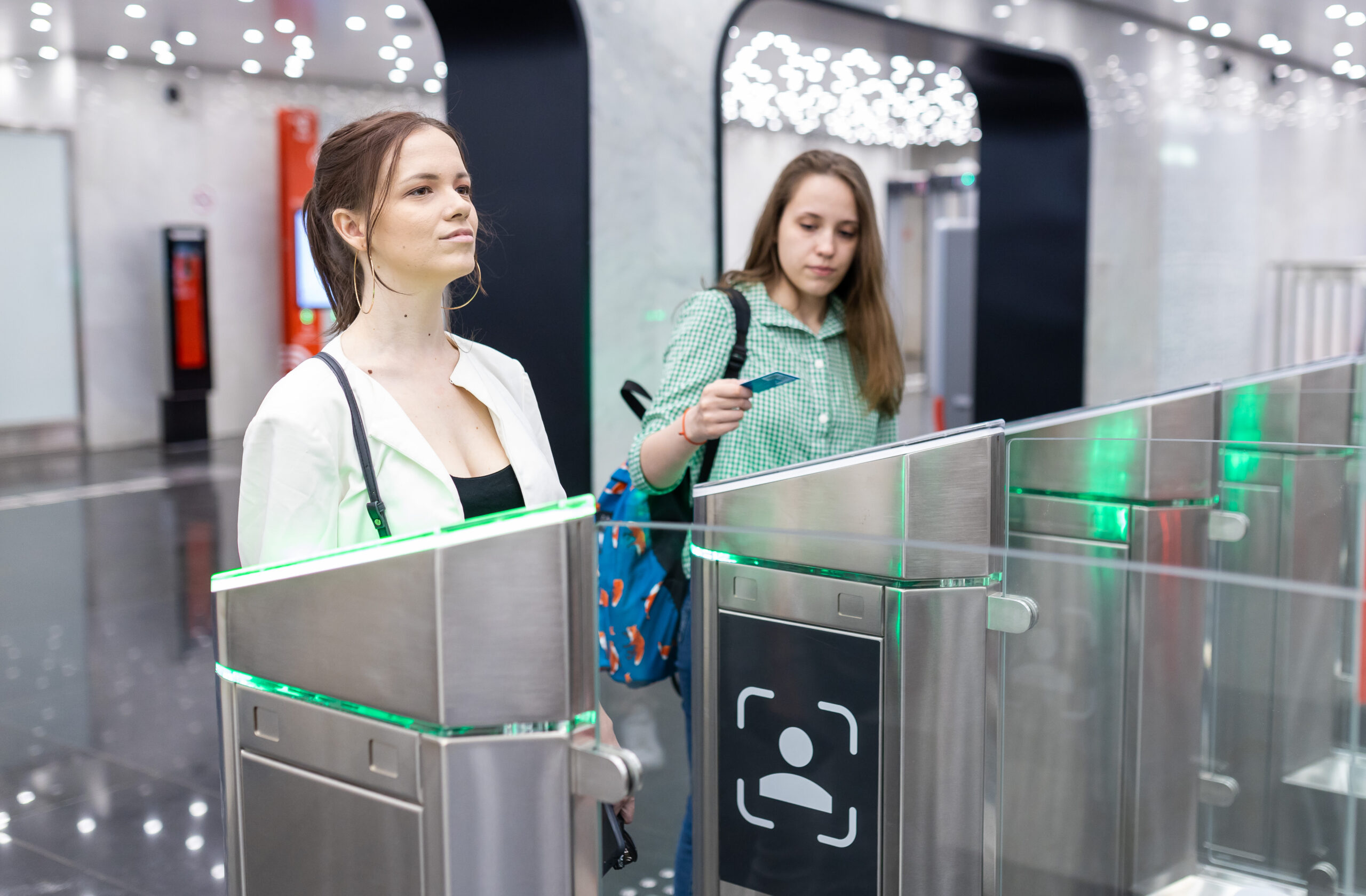
Максим Ликсутов отметил, что сегодня в столичном транспорте доступны 13 вариантов оплаты. Среди них есть как традиционные способы, так и самые современные.

Московский метрополитен. Moscow Metro.

Благодаря внедрению современных платежных решений: 1) более 95% пассажиров больше не обращаются в кассы; 2) 98% не покупают бумажные билеты; 3) 91,2% выбирают бесконтактную оплату.

Московский метрополитен. Moscow Metro.

Сегодня Москва — лидер по числу способов оплаты проезда в городском транспорте. Развитая билетная система позволяет городу экономить на печати бумажных билетов и чеков, а также избавляет от очередей в кассы метро. Для создания лучшей в мире платежной системы Правительство Москвы использует самые передовые отечественные разработки. По задаче Мэра Москвы Сергея Собянина продолжается развитие оплаты проезда в городском транспорте еще удобнее для всех пассажиров, — сообщил Максим Ликсутов.

Moscow Metro – Moscow is a global leader in the number of ways to pay for public transportation fares

Source: Moscow Metro

Maksim Liksutov noted that today there are 13 payment options available in the capital’s transport system. These include both traditional methods and the most modern ones.

Moscow Metro.

Thanks to the introduction of modern payment solutions:

  1. Over 95% of passengers no longer visit ticket offices.
  2. 98% do not buy paper tickets.
  3. 91.2% choose contactless payment.

Today, Moscow leads in the number of ways to pay for public transportation fares. The developed ticketing system allows the city to save on printing paper tickets and receipts and eliminates queues at metro ticket offices.

Moscow Metro.

To create the best payment system in the world, the Moscow Government uses the most advanced domestic developments. Following the directive of Moscow Mayor Sergey Sobyanin, efforts continue to make fare payments in urban transport even more convenient for all passengers, Maksim Liksutov reported.

Московский метрополитен – Первый участок Рублёво-Архангельской линии метро полностью пройден

Источник: Московский метрополитен

Тоннелепроходческий комплекс “София” успешно завершил проходку второго, левого, перегонного тоннеля от строящейся станции “Звенигородская” до подземной демонтажной камеры у “Шелепихи”, ранее действовавшей в составе БКЛ.

Щит преодолел 348 метров в сложных геологических условиях. На это ему потребовалось меньше трёх месяцев.

“София” уже проложила правый тоннель на этом участке. Часть пути метростроители преодолели горным способом — практически вручную, с использованием средств малой механизации.

С окончанием этих работ завершена вся механизированная проходка от “Шелепихи” до “Бульвара Генерала Карбышева” протяжённостью 4,8 км. Оба новых тоннеля будут интегрированы с уже существующими тоннелями.

Ранее щиты “Натали” и “Виктория” сделали первый перегон в рамках строительства Рублёво-Архангельской линии между станциями “Звенигородская” и “Народное Ополчение”, а затем до “Бульвара Генерала Карбышева”.

Ввести первый участок строящейся линии в эксплуатацию планируется уже в следующем году.

Рублёво-Архангельская станет 17-й линией столичного метро. Она свяжет деловой квартал ММДЦ “Москва-Сити” и смарт-район СберСити. У ветки будет 12 станций, в перспективе планируем продлить её в Красногорск.

Moscow Metro – The first section of the Line 17 has been fully completed

Source: Moscow Metro

The tunnel boring machine «Sofia» has successfully completed the excavation of the second, left running tunnel from the under-construction Zvenigorodskaya station to the underground dismantling chamber near Shelepikha, which previously operated as part of the BCL.

The shield overcame 348 meters in difficult geological conditions. It took less than three months to complete.

«Sofia» has already laid the right tunnel in this section. Part of the route was excavated by miners manually, using small mechanization tools.

With the completion of this work, the entire mechanized tunneling from Shelepikha to Bulvar Generala Karbysheva with a length of 4.8 km has been completed. Both new tunnels will be integrated with the existing tunnels.

Previously, the shields «Natali» and «Victoria» completed the first section as part of the construction of the Line 17 between the stations Zvenigorodskaya and Narodnoe Opolchenie, and then to Bulvar Generala Karbysheva.

The first section of the new line will begin to work next year.

Line 17 will connect the business district of the Moscow International Business Center «Moscow-City» and the smart district SberCity. This line will have 12 stations, and there are plans to extend it to Krasnogorsk in the future.

Московский метрополитен – В Москве обновили дизайн схемы метрополитена

Московский метрополитен

В Москве обновили дизайн схемы метрополитена. Теперь для оформления использованы только плавные линии, также на карте изобразили крупные парки в пешей доступности от метро. Последний раз дизайн схемы кардинально менялся в 2013-м.

Московский метрополитен.

Департамент транспорта Москвы показал обновленную карту столичного метрополитена. Среди основных изменений: для схематичного изображения использованы только плавные линии, также на карте изобразили крупные парки в пешей доступности от метро. Заммэра Москвы по вопросам транспорта и промышленности Максим Ликсутов отметил, что нововведения призваны сделать карту более удобной для пассажиров.

По словам Ликсутова, некоторые элементы на схеме внедрили впервые за 90 лет, последний раз ее дизайн кардинально менялся в 2013 году. Новую карту подготовили к открытию нового участка Троицкой линии «Новаторская» — «ЗИЛ».

«В этом году для удобства пользователей изменим дизайн схемы метро. Всего разместим более 38 тыс. схем к открытию нового участка Троицкой линии. Дизайн разрабатывали с учетом обратной связи от пассажиров, а новый подход к созданию навигации позволит москвичам и туристам еще быстрее считывать информацию», — прокомментировал заммэра.

Московское метро самое крупное в Европе по пассажиропотоку и занимает второе место в мире по этому показателю. Программа развития метрополитена предусматривает, что до 2030 года в Москве будет построена еще 31 станция.

Сейчас продолжаются работы по строительству Троицкой и Рублево-Архангельской линий, а также станции «Достоевская» Кольцевой линии. Кроме того, ведется проектирование на Бирюлевской линии метро, продление Арбатско-Покровской линии со строительством новой конечной станции «Гольяново».

Moscow Metro – Moscow has updated the design of its metro map

Source: Moscow Metro

Moscow has updated the design of its metro map. Now, only smooth lines are used for the design, and large parks within walking distance from the metro are depicted on the map. The last time the map’s design was radically changed was in 2013.

Moscow Metro.

The Moscow Department of Transport has unveiled the updated map of the capital’s metro. Among the main changes: only smooth lines are used for the schematic representation, and large parks within walking distance from the metro are shown on the map. Maksim Liksutov, Deputy Mayor of Moscow for Transport and Industry, noted that the innovations are aimed at making the map more convenient for passengers.

According to Liksutov, some elements on the map have been introduced for the first time in 90 years; the last time its design was radically changed was in 2013. The new map was prepared for the opening of the new section of the Line 16, Novatorskaya — ZIL.

“This year, we will change the design of the metro map for the convenience of users. A total of more than 38 thousand maps will be placed for the opening of the new section of the Troitskaya line. The design was developed taking into account feedback from passengers, and the new approach to creating navigation will allow Muscovites and tourists to read information even faster,”  commented the Deputy Mayor.

The Moscow Metro is the largest in Europe in terms of passenger traffic and ranks second in the world in this indicator. The metro development program provides for the construction of 31 more stations in Moscow by 2030.

Currently, work continues on the construction of the Lines 16 and 17, as well as the Dostoevskaya station of the Circle Line. Additionally, design work is underway for the Line 18 and the extension of the Line 3 with the construction of a new terminal station, Golyanovo.

Moscow Metro – Time for new technologies! Testing neural voice in audio messages in the Moscow metro.

Source: Moscow Metro

Time for new technologies! Testing neural voice in audio messages in the Moscow metro.

Time for new technologies! Testing neural voice in audio messages in the Moscow metro. – Московское метро тестирует нейроголос в аудиосообщениях.

We are gradually introducing artificial intelligence into the capital’s transport system. For example, since the beginning of the year, a neural network has been helping Alexandera’s chatbot answer your questions. Now, as part of a pilot project, AI will assist announcers in the Moscow metro.

As Maksim Liksutov explained, audio announcements are one of the most important ways to communicate with passengers. Sometimes something changes in metro operations: an escalator is closed for repair or trains follow a different route. Each situation requires a prompt announcement. Neural voice will help solve this task in minutes.

Moreover, the required audio file can be created remotely. Specialists only need to:

Prepare the text.

Upload it to the program.

Adjust the voice — choose the timbre, intonation, and pause length. By the way, AI was trained on real recordings of metro announcers.

We will test neural voice on the Line 1, which has many transfers to the MCC, MCD, other metro lines, car and railway stations. Also, Komsomolskaya station is located here — the leader in the number of transport infrastructure objects announced by announcers.

«Voices in neural processing allow creating prompt audio announcements in the unified style of Moscow Transport. After the pilot launch of the technology on the Line 1, we will decide on its further use in the metro and beyond. We will also consider passengers’ wishes. We continue to implement the most modern digital services, as instructed by Moscow Mayor Sergey Sobyanin», — said Maksim Liksutov.